
Austin Guardianship Lawyer
 Guardianship is a legal process meant to protect people who can’t manage their own affairs because of physical or mental incapacity. This ensures their health, welfare, and financial interests are looked after. At Ford + Bergner, LLP, we know how important it is to make sure your loved ones are cared for and protected.
Whether you’re dealing with the guardianship of a minor child or an incapacitated adult, our team of Austin guardianship attorneys is here to offer guidance and support. Led by professionals like attorney Emily Yang, we bring a depth of knowledge and compassion to each case, ensuring your family’s needs are met with professionalism and care.
If you’re dealing with a guardianship issue in Austin, reach out to us for legal help. Call Ford + Bergner, LLP today at 713-260-3926 for a straightforward initial consultation. Let us assist you in securing a better future for your family by making the guardianship process easy and stress-free.
Who Needs a Guardian?
Guardianship is usually needed for those who can’t care for themselves due to physical or mental incapacity. In Texas, family members are often given preference when choosing a guardian for an incapacitated person. This includes minor children whose parents have passed away or are deemed unsuitable, as well as adults who can’t manage their own care or finances, including situations that may involve temporary guardianship.
For adults, guardianship might be necessary if they can’t provide for their basic needs like food, clothing, shelter, or medical care because of health issues. This can include individuals with disabilities who reach adulthood but can’t make legal decisions on their own. In these cases, a guardian ensures their well-being and proper management of their affairs.
Children may need guardianship if they lack capable parents or guardians, often due to the parents being unfit because of substance abuse or other issues. Similarly, an incapacitated adult with serious injuries or illnesses, like dementia, may also need a guardian to manage their care and financial matters.
Understanding Guardianship in Texas
Guardianship in Texas is a court-established arrangement to appoint a guardian for an incapacitated person. This ensures that individuals who can’t care for themselves get the support and protection they need.
The guardianship process starts with a medical determination of incapacity to confirm that the individual truly needs a guardian for medical decisions. The court then appoints a guardian, favoring individuals who show they can care for the ward. This process is designed to protect the rights and interests of the incapacitated person, making sure they receive appropriate care and management, including medical power.
[Related: Limitations of a Guardianship]
What Rights Do Wards Have Under Guardianship?
 Under Texas law, individuals who are under guardianship, known as wards, retain several important rights. These rights are designed to protect their dignity and ensure their well-being, even when they are unable to make certain decisions independently.
- Right to Respect and Dignity: Wards have the right to be treated with respect and dignity by their guardians and others involved in their care. This includes being spoken to kindly, having their privacy respected, and being involved in discussions about their care and living conditions.
- Right to Participate in Decisions: Wards should be involved in decision-making processes to the extent possible, especially when it comes to their personal and medical care. Guardians are encouraged to consider the ward’s preferences and involve them in discussions about their health care decisions, living arrangements, and other aspects of their lives.
- Right to Request Changes in Guardianship: If a ward feels that their current guardianship arrangement is not in their best interest, they have the right to request changes. This can include asking the court to modify the terms of the guardianship or to appoint a new guardian if the current one is not adequately fulfilling their duties.
- Right to Legal Representation: During guardianship proceedings, wards have the right to legal representation. An attorney ad litem is often appointed to represent the ward’s interests, ensuring their rights and preferences are considered throughout the legal process.
- Right to Regular Review of Guardianship: Wards are entitled to have their guardianship arrangement regularly reviewed by the court. These reviews help ensure that the guardianship continues to serve the ward’s best interests and that necessary adjustments are made in a timely manner.
At Ford + Bergner, LLP, our Austin guardianship attorneys are committed to safeguarding these rights and providing the necessary legal support to protect the interests of wards under guardianship.
Types of Guardianships in Texas
In Texas, there are two main types of guardianships designed to address different needs: Guardianship of the Person and Guardianship of the Estate. Each type serves a specific purpose, ensuring all parts of the ward’s life are managed effectively.
Guardianship of the Person
A Guardian of the Person is responsible for making important decisions about the ward’s health, education, and overall welfare. This role includes making healthcare decisions, overseeing living arrangements, and ensuring the ward’s safety and well-being. The guardian must act in the best interests of the ward, prioritizing their needs above all else.
Appointing a guardian of the Person involves a thorough assessment to verify the individual cannot make these decisions on their own due to a physical or mental condition. This process confirms that the appointed guardian can manage the important aspects of the ward’s life, providing the necessary support and care.
Guardianship of the Estate
A Guardian of the Estate is tasked with managing and protecting the ward’s financial assets. This includes handling investments, property management, and other financial transactions to ensure the ward’s financial interests are protected. Detailed record-keeping of all financial activities is the responsibility of the guardian to maintain transparency and accountability.
When the ward cannot manage their own finances and lacks a valid Durable Power of Attorney, appointing a Guardian of the Estate is essential. This role ensures that the ward’s financial resources are used appropriately for their benefit, preventing financial mismanagement or abuse.
Can a Guardian Be of Both the Person and the Estate?
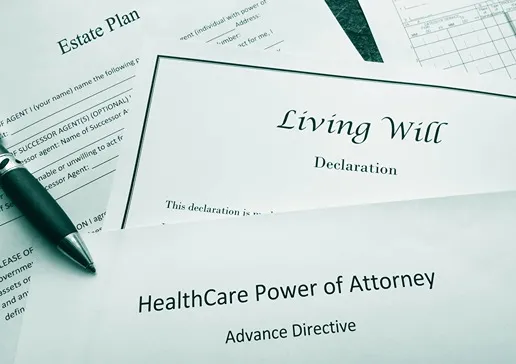 Yes, a guardian can be appointed to handle both the personal and financial affairs of the ward, serving as both the Guardian of the Person and the Guardian of the Estate.
In situations where a single individual is capable and trustworthy, the court may appoint them to oversee all aspects of the ward’s life, ensuring a unified approach to their care and financial management. This can be particularly beneficial in cases where the ward has complex needs that require careful coordination between personal care and financial decisions.
However, the court will thoroughly evaluate the proposed guardian’s ability to manage both roles effectively, often requiring a criminal background check and ensuring they can meet the legal requirements involved in guardianship cases. The court’s primary concern is to protect the ward’s interests, so they must be confident in the guardian’s capability to handle both responsibilities.
[Related: Alternatives To Guardianships Of The Person]
The Importance of a Designated Guardian
Naming a guardian brings peace of mind, ensuring plans are in place for the care of children or incapacitated adults if unexpected events occur. When parents or family members agree on a designated guardian, the guardianship process is generally smoother and more efficient.
Without a designated guardian, disagreements can arise, often leading to contested guardianship cases. These conflicts may involve claims of neglect or financial misuse, where a guardian is accused of not meeting the ward’s personal or medical needs or misusing their assets. The emotional and financial strain of such disputes can be significant, which shows the importance of naming a guardian in advance.
[Related: Stats that show the need for a medical power of attorney]
How to Apply for Guardianship in Austin
Applying for guardianship involves a legal process where an individual seeks to obtain the authority to make decisions on behalf of another person. This process typically starts with a medical evaluation to assess the proposed ward’s incapacity.
Once the medical report is ready, the next step is to prepare and file the guardianship application with the court. This application must include details about the proposed ward and relevant medical evidence to show the need for guardianship. The proposed guardian must register with the Judicial Branch Certification Commission (JBCC), pass a background check, and complete required training before a hearing can be scheduled.
The court oversees the guardianship process, ensuring all legal requirements are met. In larger counties, this is typically managed through probate court. The proposed ward must be served with official court papers by a constable, sheriff, or other authorized person, ensuring they are aware of the proceedings and have a chance to respond. For contested guardianships, a formal hearing is needed to determine if the proposed guardian can fulfill their duties and act in the ward’s best interests.
What Training is Required to Be a Guardian?
In Texas, training is mandated by Texas law to equip potential guardians with the necessary knowledge to manage the ward’s care effectively. Prospective guardians must complete a state-approved guardianship training course. This training covers topics such as understanding the legal terms involved in guardianship, the rights of the ward, and the guardian’s duties in managing the ward’s person and estate. The course also covers difficult topics such as making medical decisions, financial decisions, and the importance of maintaining detailed records of the ward’s life and finances.
How Long Does Guardianship Last in Texas?
Guardianship in Texas can last for different lengths of time, depending on the type and the ward’s situation:
Temporary Guardianship: This is set up for short-term needs, usually in emergencies where quick decisions are needed for the ward’s care. It typically lasts up to 60 days unless the court decides to extend it. Temporary guardianship is a quick fix while a longer-term solution is considered.
For instance, if a minor child is involved in a car accident and both parents are temporarily incapacitated due to their injuries, a relative or close family friend might be granted temporary guardianship. This allows the guardian to make immediate medical decisions and manage the child’s daily needs until the parents recover. Such arrangements ensure the child’s safety and stability during a critical time, while the court evaluates a longer-term solution if needed.
Permanent Guardianship: This is for ongoing care and management of the ward’s life and finances. It stays in place until it’s no longer needed, which might happen if the ward gets better, becomes an adult (for children), or passes away. The court checks in regularly to see if the guardianship is still needed and if it’s working well for the ward.
For instance, an adult child with a lifelong disability may need a guardian to oversee their daily living arrangements, make medical decisions, and manage their finances. This ensures that the adult child receives consistent support and protection throughout their life, addressing their physical health, financial affairs, and overall well-being.
Ending or Changing Guardianship: Guardianship can be ended or changed if things change significantly. For example, if a ward’s health improves and they can take care of themselves, someone can ask the court to stop the guardianship. If the guardian can’t do the job anymore, the court might appoint a new one or change the guardianship terms.
[Related: Obtaining guardianship for an adult child with a disability]
Common Guardianship Disputes
Disputes in guardianship cases are not uncommon, often arising from disagreements over prior guardian appointments or the suitability of the appointed guardian. The emotional and complex nature of these cases contributes to the prevalence of disputes. Guardianship disputes often arise due to various challenges and disagreements, with some of the most common issues including:
- Claims of neglect or inadequate care provided by the guardian
- Allegations of financial mismanagement or misuse of the ward’s assets
- Disagreements among family members regarding the suitability of the appointed guardian
- Conflicts over the prior designation of a guardian or power of attorney
- Concerns about the guardian’s ability to meet the ward’s medical and personal needs effectively
An attorney ad litem is typically appointed to represent the interests of the proposed ward, ensuring their rights and preferences are considered during the proceedings. The court appoints an attorney ad litem to provide an impartial perspective on the suitability of the guardianship arrangement and to protect the ward from potential exploitation or neglect.
The attorney ad litem conducts thorough investigations, interviews involved parties, and reviews relevant documents to assess the situation accurately. By doing so, they help the court make informed decisions regarding the appointment of a guardian. Their involvement ensures that the guardianship arrangement serves the ward’s best interests, providing an unbiased evaluation that can influence the court’s final decision. This legal advocate plays a key role in protecting the ward’s interests and providing an unbiased view of the appropriateness of the guardianship arrangement.
Guardianship arrangements are subject to annual reviews by the court to determine their necessity and appropriateness. These reviews help identify any issues and ensure that the guardian continues to act in the best interests of the ward.
Can You Represent Yourself in Guardianship Proceedings?
Guardianship proceedings involve detailed legal requirements and extensive documents, making it difficult for non-lawyers to represent themselves effectively. Many courts in Texas do not allow individuals to represent themselves in guardianship applications due to the detailed nature of the process. Given the challenges and potential issues, seeking an experienced guardianship lawyer’s help is highly recommended to ensure the process is handled correctly and the ward’s best interests are protected.
How We Assist in Guardianship Cases at Ford+Bergner, LLP
At Ford+Bergner, LLP, we provide full legal support throughout the guardianship process, starting with an initial meeting to understand your specific needs and circumstances. Our team focuses on probate, heirship, and guardianship cases, ensuring you receive the highest level of guidance.
With over 25 years of serving Texas families, our firm has handled a wide range of family law guardianship cases, from straightforward appointments to complex contested cases. We emphasize the importance of choosing a compassionate law firm that understands the emotional and legal details involved in guardianship matters. Our goal is to provide you with the support and confidence needed to ensure the well-being of your loved ones.
By choosing Ford+Bergner, LLP, you are selecting a team dedicated to protecting your family’s interests and ensuring a smooth and effective guardianship process.
Contact Us for Guardianship Assistance in Austin
If you are facing a guardianship issue in Austin and need legal assistance, don’t hesitate to reach out to Ford + Bergner, LLP. Our experienced guardianship team is here to guide you through the entire process, ensuring your loved ones receive the care and protection they need.
Call us today at 713-260-3926 for an initial consultation, and let us help you secure a brighter future for your family.
Ford + Bergner LLP
Trusted Probate And
Estate Planning Solutions

How Can We Help?
Fields marked with an * are required

Follow Us On
Connect With Us
Connect With Us
© 2026 Ford + Bergner LLP. All Rights Reserved.
