
Austin Estate and Guardianship Litigation Attorney
 There are times when litigation is unavoidable. As much as a strong estate plan, well-crafted trusts, or solid guardianship plans may mitigate the risk, these are complicated issues, and not every dispute can be resolved outside of court. That’s particularly true because of the sensitive nature of these issues. When family is involved, emotions can play a significant role in the process. Which is why those faced with this kind of litigation need the help of an estate probate lawyer who understands all the challenges involved.
The team at Ford + Bergner LLP has been helping clients with these kinds of sensitive issues for over two decades. We understand how to work through the difficulties involved from both the legal and emotional sides of the situation. If you think you may have a case for estate, trust, or guardianship litigation, we may be able to help you. Reach out to our Austin litigation team today at 713-260-3926.
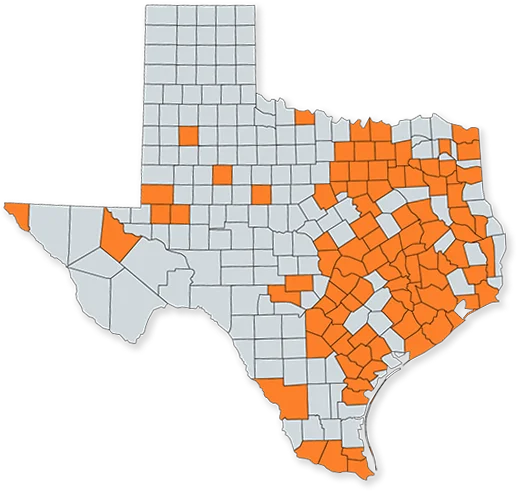
We also provide estate and guardianship litigation in the Houston and Dallas areas.
Guardianship Litigation
Litigation related to the issue of guardianship can take a few different forms. It could be initiated by the guardian or potential guardian, the party being considered for placement under a guardianship, or another party who has concerns for their well-being, such as a doctor or caretaker.
Guardianship involves someone being made responsible for the health and well-being of another person or for their financial interests. Those in need of guardianships include minors whose parents have passed away or are otherwise no longer able to care for them, elderly people whose ability to care for themselves has been hindered by age, or those with disabilities that leave them unable to care for themselves.
[Related: Is it time to appoint a guardian for your elderly parents?]
Someone Desires to Avoid Being Placed Under a Guardianship
While guardianships can be important to see that some people are given proper care, there are occasions when an individual, such as an aging parent, doesn’t want to be placed in the care of a guardian. Generally, there are two grounds on which someone may be able to argue against being subject to guardianship:
- One case that a person may make is that a guardianship is unnecessary because they have the capacity to continue to care for themselves.
- Another argument against guardianship is that the individual already has measures in place, such as powers of attorney, to see for their care, and a guardianship would be redundant or come into conflict with those arrangements.
Disputes Regarding Who Should Act as Guardian
 There are many cases where several family members may have an equal claim to the role of guardian, often for an aging parent. In other cases, multiple parties may want to act as guardian to a child whose parents have died or become unfit to raise them. These can be contentious disputes, as the family might not be able to agree on what will be best and provide the right care for their loved one. The disputes in these cases could lead to the need for litigation to provide a solution.
The Removal of a Guardian
There are times when a doctor, caretaker, or family member may come to realize that a guardian has been failing in their responsibilities to the individual under their care. Sometimes, this is happening for nefarious reasons. However, there are also many cases when it is the result of an oversight or a guardian being too busy with their own affairs to devote the necessary time and effort to their role.
When someone seeks to remove a guardian, there will need to be sufficient grounds to do so. These are described in the Texas Estates Code. If the appropriate grounds can be proven, a guardian could be removed from their role.
Challenging Medical Evidence
To have someone placed under the care of a guardian on the basis of incapacitation as the result of old age or disability, there needs to be sufficient cause to do so. This will often involve doctors’ assessments, but there may be differing opinions, depending on the doctor. This could mean that litigation is necessary to resolve the matter.
Estate Litigation Issues
While good estate planning can often prevent many potential sources of estate litigation, it’s not able to eliminate every possible issue. The more wealth in an estate or the more complicated the assets involved, the greater the likelihood of disputes that lead to conflict. Generally, when an estate is passing through probate, there is a greater potential for disputes than during trust administration.
Estate litigation will typically be brought by a family member of the decedent. Often, the raw emotions the family experiences following the death of their loved one can contribute to the difficulties of the situation. Additionally, others may be allowed to file a claim if they can show that they have an interest in the estate, which may be the case with someone who had lent money to the decedent before they passed.
Opposing the Appointment of an Executor or Administrator
 One of the most important positions in the process of probate is the executor or administrator’s role. It’s their responsibility to execute the probate process and the will. However, they may also need to make a number of judgment calls in the process and will need to act efficiently to prevent it from dragging on longer than is necessary. If there is concern among the beneficiaries that a potential executor or administrator may be unable to act impartially, they may challenge the appointment through litigation.
The Removal of an Executor or Administrator
Given the importance of the role of executor or administrator, it’s critical their duties be performed correctly. Unfortunately, there are times when someone proves to be unable to function as needed in the role. In some cases, this is simply because of errors and a lack of skill. In others, however, someone may be intentionally acting in an unfair or biased manner.
Should the benefactors want to remove a particular executor or administrator, they will need to prove they have grounds to do so. The Texas Estate Codes provide the rules regarding what grounds are considered sufficient for removal. A probate litigation lawyer can often be crucial to proving these grounds.
Opposition to the Will
One of the most common issues that comes up in the course of probate court is that someone opposes the validity of the will. The distribution of assets and other critical decisions that the decedent made are largely determined by the will, which is why it can often become such a contentious issue.
To have a will ruled invalid, a probate litigator will usually need to prove one of two things. One invalidating concern could be that the decedent was not of sound mind when the will was signed. This is often argued if the decedent had a condition like dementia or Alzheimer’s when or near the time they created the will. Another possibility is to argue that someone had undue influence and led the decedent to make decisions in their will that they would not have otherwise dictated.
Creditors Seeking What They’re Owed
With the ever-growing reliance on debt, there are many people who pass away still owing money on credit cards, loans, and other property. These lenders may have a right to collect the debt from the estate, and there is the opportunity to do so through the probate process. However, the process of seeking that repayment must be done properly. It’s important to work with an experienced lawyer if you are seeking payment for a debt from an estate.
Trust Litigation
Trusts can offer a number of advantages to those who choose to incorporate them into their estate plans. They bypass the probate process, which can be lengthy, frustrating, and expensive. Probate is public, exposing the decedent’s affairs to the public. Therefore, trusts also allow the details of an estate and its distribution to remain private.
Irrevocable trusts can only be changed when all the beneficiaries agree to the alterations, while revocable trusts can be changed at any time. Many people choose to create a living trust to pass their assets to loved ones in a simpler, smoother manner than probate.
One of the benefits of using trusts in the process of estate planning is that it reduces the chances of disputes after someone dies. Conflict is more likely to occur during the complex process of probate, which ensues when a decedent left only a will or did no estate planning at all. However, some potential issues could still emerge. There are rules regarding how a trustee needs to administer the trust, including following the rules set up when the trust was formed.
Often, litigation comes from a failure to adhere to these rules. In most cases, this sort of litigation is brought by the originator of the trust (if they are still living), the trustee, or one of the trust’s beneficiaries.
Trustee Accounting
One of the important duties of a trustee is to keep a detailed accounting of the assets in the trust and how they’ve managed them. This account will, in some trusts, need to be delivered on a regular basis. However, in other cases, there may be times when the trustee will have to provide an accounting at the request of the beneficiaries. If a trustee is hesitant to provide this information, litigation may be used to compel them to do so.
Trustee and Beneficiary Disputes
Many disputes related to trusts are between the beneficiary and the trustee, as they are two of the main parties who have proper standing to bring legal action. This is often because a beneficiary believes a trustee has a duty to act differently than they have. Both parties will often be represented by litigators. However, it’s important to note that the attorney’s fees for the trustee will be paid for out of the trust’s assets if the trustee is found to have been in the right
Failure to Properly Terminate the Trust
Trusts have an expiration date, which could be when the trustor passes away. At that time, it is the responsibility of the trustee to terminate the trust and distribute the assets according to its rules. However, there are times when a trustee may take too long with the process, fail to perform it properly, or refuse to carry out their duty. When this occurs, litigation is often a useful path in terms of compelling them to remedy the situation.
Fiduciary Litigation
A fiduciary may face litigation when someone believes they have failed to carry out their responsibilities properly. Generally, it’s the job of a fiduciary to manage assets for the benefit of some other party. This includes the executor of an estate, the administrator of an estate, a trustee, or someone who is a guardian in charge of another person’s finances.
Failure to manage assets could be a simple error if the fiduciary lacks the capacity to handle them appropriately. They could be too busy with their own affairs or lack the skills and knowledge necessary. However, a fiduciary may act nefariously and benefit themselves or others at the expense of the person whose finances they were responsible for.
The Litigation Team You Need
Many different problems can arise during the process of working through estate, trust, and guardianship issues. This is particularly true with high-asset estates, where there are many more points of potential conflict. Unfortunately, there are times when these disputes can’t be resolved outside of the path of litigation. If you find yourself in this type of situation, it’s critical you have an experienced estate litigation attorney representing you.
At Ford + Bergner LLP, our team of estate probate lawyers is prepared to handle the most challenging and complicated legal issues. We understand how to seek creative solutions and respect the emotional strain our clients often feel. These important concerns are often mixed with difficult family dynamics, particularly when following the death of a loved one.
Whether through mediation, which courts are increasingly encouraging, or making your strongest case before the court, our lawyers are dedicated to doing all we can to support your objectives. Contact our team today to discuss how we may be able to help you.
Ford + Bergner LLP
Trusted Probate And
Estate Planning Solutions
How Can We Help?
Fields marked with an * are required

Follow Us On
Connect With Us
Connect With Us
© 2026 Ford + Bergner LLP. All Rights Reserved.
