
Houston Will Attorney
Ensure That Your Will Works as You Intend It To

A will is a powerful legal tool that can be used to codify a person’s last wishes into law (among other uses). In most cases, this includes crucial matters such as how their remaining assets will be distributed among their heirs and who will do the work of executing the will, which involves settling the estate’s affairs and preparing funds for disbursement. If you need an expert hand to draft a will (or other type of estate planning document) that is legally airtight and meets all of your unique needs, a competent and friendly Houston will lawyer from Ford + Bergner LLP would be pleased to guide you through the process from beginning to end.
Because of the power and versatility of wills, some people believe a simple will (more specifically, a Last Will & Testament) qualifies as an estate plan in and of itself. In reality, many of our more strategy-minded clients use a will (or even multiple types of wills) as just one pillar in a more comprehensive estate plan that maximizes control over assets, minimizes tax burdens, and secures a future for their loved ones.
Each Houston will attorney at Ford + Bergner LLP is ready to help you achieve all of this and more. For more information about our world-class estate planning services, reach out to a member of our team by calling 713-260-3926.
Understanding Wills in the State of Texas
 A Last Will & Testament may be only a single part of a greater estate plan, but even so, it’s hard to overstate its importance. A solid will is a cornerstone of just about any comprehensive estate plan, in Texas or elsewhere, and it provides numerous benefits to the testator (the person making the will), their family, and the assets they will leave behind.
Here are some of the key ways in which your will can ensure that your last wishes are respected and that your loved ones are protected and provided for in an uncertain future:
- Clarity – A will provides clear instructions for how to handle your assets after your passing, reducing confusion and antagonism among heirs who will already be dealing with the difficult process of grieving.
- Guardianship – If you have minor children, a will becomes even more important, as it allows you to designate a guardian to care for them. This ensures both the well-being of your children and your own peace of mind.
- Executor – A will also enables you to appoint your own executor to handle your estate’s final affairs, such as cataloging your remaining assets, settling any outstanding debts, and ultimately distributing inheritances. This means that your last wishes will be carried out by a person you know, trust, and respect–and not by an administrator appointed by the probate court.
- Funeral Instructions – While estate planning is largely about making sure your money goes where you want it to after you pass away, it’s important to take a step back from the purely financial aspects and remember that not all of your last wishes will be fiduciary in nature. Your will can also be used to set forth your last wishes in terms of what sort of funeral you would prefer, with burial vs. cremation being just one example of an important question your will can address. This ensures your preferences in this area are known, and it protects your family from the need to make these burdensome and traumatic decisions on their own.
- Avoid Intestacy & Minimize Probate – Without a will in place, your estate will be distributed according to Texas intestacy laws. Not only is this a time-consuming probate court process that delays your heirs getting the funds they need to make ends meet, but the end results may not align with your personal wishes or your family’s needs. A will allows you to choose who gets what instead of leaving your estate’s legacy in the hands of complex and rigid state legal codes.
- Tax Incentives – A well-drafted will (or combining a will with another estate planning tool like a trust) can help minimize tax burdens against your estate. This ultimately means your heirs and beneficiaries will receive more of the funds you want to leave for them, and often on a quicker timeline, as they don’t have to wait for the executor (or trustee) to complete taxes on their inheritance before they can receive it.
- Custom Bequests – While some people believe that you need to set up a trust in order to leave some of your funds to a charitable cause, a simplified version of this can actually be done through your will. A will allows you to get quite detailed when it comes to bequeathing certain funds or even unique assets like family heirlooms, whether you want to leave them to a specific family member, a longtime friend, or a charitable cause that you support.
The Importance of a Well-Drafted Will
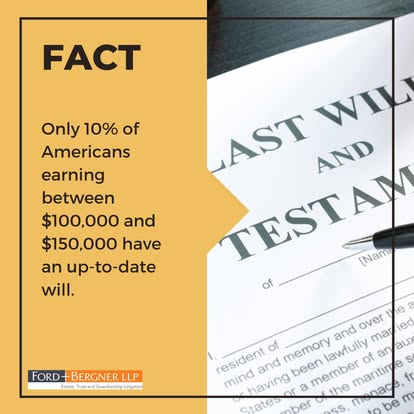 Wills are well-known but not always well-managed. Almost everyone in our society knows that a will is a specialized legal document that establishes how a deceased person’s assets should be distributed. However, not everyone realizes what a tremendous difference it makes to have a will and how important it is to keep one up to date. Someone who makes a will is called a “testator,” while a death without a will is considered to be “intestate”, and will result in the passing on of assets according to state laws, rather than according to the expressed wishes of the deceased.
When someone passes away intestate (without a valid will), the court will typically award assets to the decedent’s creditors in accordance with the law and then distribute any remaining wealth to surviving spouses, children, parents, and siblings, more or less in that order of priority. Without a will, not only do you lose any control over how your estate is executed and divided up among your next of kin, but your family will also face a tedious and emotionally draining probate court process before they are able to receive their rightful inheritance.
For these reasons, even individuals with modest estates and straightforward inheritance situations are strongly encouraged to have a legally binding will in place. Typically, the distribution of assets as directed by a will involves taking an estate through probate. Many people now try to keep most or all assets out of probate with the addition of trusts and other sophisticated estate planning strategies. However, even when nearly all assets are in trusts, a thoughtful estate plan should include a will to account for assets not subject to a trust.
Types of Wills a Houston Will Lawyer Can Help With
 The experienced Houston will and estate planning lawyers at Ford + Bergner LLP can help you write a variety of wills, including:
- Simple Wills – The ubiquitous Last Will & Testament is a prime example of what is known as a “simple will.” These legally binding documents dictate who will receive your assets in the event that you pass away, and they name a trusted executor to manage this process. They can also cover other important matters, such as naming a guardian for any minor children you leave behind.
- Living Wills – Not all types of wills only go into effect when you pass away. A type of living will known as an Advanced Healthcare Directive, for example, can help you codify your wishes regarding medical treatments and life-sustaining care in the event that you become incapacitated and can’t make or express crucial medical decisions for yourself. This provides clarity for your loved ones and saves them from the stress of making difficult decisions on your behalf.
- Special Wills for Unusual Circumstances – As an example, consider the infamous Texas “blinked will” ruling, wherein someone who was unable to communicate verbally was able to communicate their last wishes to the court nonverbally by blinking. While most will creation processes will be far more routine than this, please know that Ford + Bergner LLP is a forward-thinking firm willing to explore every legal avenue available to ensure our clients are completely satisfied with their wills. If you are dealing with an unusual will-based issue, please do not hesitate to contact us for help.
- Attested Will – When researching different types of wills, you may also come across the terms “attested will,” “formal will,” and “holographic will,” making matters even more confusing. It’s important to understand that these distinctions refer to how the will is drafted and witnessed more so than the type of will. An attested will is one that is made in writing and then verified by two or more valid witnesses.
- Formal Will – “Attested will” and “formal will” are just two terms for the same thing, once again referring to a will that is written down (or technically typed out in most cases today) and witnessed by two or more witnesses. This is considered the most effective type of will.
- Holographic Will – A holographic will is not a will that includes special visual effects on the paper. Rather, a holographic will is one written entirely in the testator’s handwriting and then signed by them. While such wills are usually considered acceptable in Texas courtrooms, they may be less suited to standing up against scrutiny and legal challenges. This can result in significant delays when it comes to your loved ones receiving their inheritances.
Standardized Will Forms
Additionally, a state law passed in 2015 requires the Texas Supreme Court to provide standardized will forms. These forms can expedite the will creation process for those with straightforward estate plans. The forms available from the state include:
- Standard will form for an individual who is married and has children
- Standard will form for an individual who is married but does not have children
- Standard will form for an individual who is single (including divorcees or widows) but has children
- Standard will form for an individual who is single (including divorcees or widows) and does not have children
While these useful standardized forms can make excellent starting points for the will creation process and may save some people significant time and stress, it’s important to understand that they are meant to be as generic and widely applicable as possible. Therefore, they will not be a perfect solution for everyone. Even if you do start your will creation process with one of the state’s forms, it is likely that you and your attorney will want to customize the terms of the will to fit your exact goals, assets, tax considerations, business succession, planning, and family situation.
Who Should Have a Will in Texas?
 Any adult who wishes to have a say in the passing on of material goods after death should consider empowering themselves by leaving behind a well-prepared will. A young adult starting out, a married couple raising young children, a blended family, a middle-aged couple living as empty nesters and an elderly person in need of assistance for daily matters all bring unique vantage points to the task of drafting or revising a will.
In addition to instructions about the distribution of assets after death and the naming of a guardian for surviving minor children, people often want to see their values, such as religious faith or altruism, reflected in their last wills and testaments. Our experienced attorneys focus on helping clients give shape to their legacies through the creation of wills.
Discuss Your Goals With A Respected Houston Will Attorney
Preparing a consequential and detail-oriented legal document like a Last Will & Testament can represent a daunting challenge to those with no legal background or training. Thankfully, you don’t have to enter into this process alone. A well-qualified Houston will attorney from the renowned firm of Ford + Bergner LLP can help you establish the perfect will to meet your own needs and goals.
There are many attorneys throughout Texas who are willing to help you draft a will, but at Ford + Bergner LLP, our entire business model is focused on helping clients meet legal challenges within the estate planning space. We are here to help you design and create your will and overall estate plan according to your exact wishes, no matter how unique or demanding the job may be. To schedule a consultation, call 713-260-3926 or send an email inquiry.
Ford + Bergner LLP
Trusted Probate And
Estate Planning Solutions
How Can We Help?
Fields marked with an * are required

Follow Us On
Connect With Us
Connect With Us
© 2026 Ford + Bergner LLP. All Rights Reserved.
