
Executor Misconduct
What Are My Options If I Believe an Executor is Mishandling the Estate?
 Suspecting executor misconduct can be very stressful. If you think this is happening, it’s important to act quickly to protect your inheritance and the estate’s assets.
Executor misconduct can include not communicating with beneficiaries, mismanaging estate funds, or not following the deceased person’s will. Recognizing these issues and knowing your legal options is key to addressing potential breaches of fiduciary duty.
If you’re in this situation, it’s important to get professional help. At Ford + Bergner, LLP, we are ready to assist you with any issues related to executor misconduct. Our team has extensive experience in estate litigation and can help ensure that the estate is managed correctly and that your rights are defended.
Don’t hesitate to reach out for help by calling us at 713-260-3926 today. We’re here to support you through this challenging time.
Understanding Executor Misconduct
Executor misconduct is a serious breach of trust that can cause financial loss and emotional stress to beneficiaries. This misconduct can show up in different ways, such as mismanaging estate assets, withholding inheritances, or committing fraud.
These actions are not only unethical but can lead to significant legal and financial problems for the executor and negatively affect the estate.
Examples of executor misconduct include:
- Hiding or misrepresenting estate assets
- Theft
- Misappropriation
- Failure to pay legitimate estate expenses
When an executor fails to protect the estate’s assets, it can lead to losses or damage. These breaches of fiduciary duty should not be ignored, and claims can be made against the executor in court if misconduct happens.
Identifying Signs of Executor Misconduct
Spotting executor misconduct can be made easier by recognizing some common warning signs. Here are key indicators to watch for:
- Lack of Communication: A major red flag is when the executor fails to communicate with beneficiaries. Executors are expected to be transparent; lack of communication can lead to suspicion and frustration. If beneficiaries aren’t regularly updated about the estate, it might indicate a problem.
- Unexplained Delays: Another sign of potential misconduct is unexplained delays in managing the estate. If the probate process is dragging on without a clear reason and it’s affecting beneficiaries negatively, it could be due to mishandling of funds or other issues. Executors need to act promptly to settle the estate efficiently and fairly.
- Improper Handling of Funds: Improper handling of estate funds, such as mixing personal property with estate assets, is another warning sign. These actions can result in mismanagement and financial losses for beneficiaries.
If any of these signs are noticed, it’s important to seek advice from a probate attorney or estate litigation attorney to address the issue quickly.
Gathering Evidence of Misconduct
 Collecting strong evidence is important to support claims of executor misconduct. Documenting all interactions and financial activities can greatly influence the outcome of a case against an executor. Keeping detailed records of communication and any inconsistencies in financial statements can help build a solid case.
Forensic accountants can be invaluable when collecting evidence of misconduct. They can analyze financial records to find any irregularities or misuse of estate funds, providing strong evidence in legal proceedings.
Statements from witnesses who interacted with the executor or the deceased can also add weight to claims of misconduct. Witnesses can offer important details about the executor’s actions and behavior, further supporting the allegations.
Legal Options for Addressing Executor Misconduct
When executor misconduct occurs, beneficiaries have several straightforward legal options to protect the estate and hold the executor accountable. These options allow beneficiaries to take action and ensure the estate is handled correctly.
Legal action can be initiated to stop a misbehaving executor or to seek compensation for any losses incurred.
Beneficiaries should talk to an estate litigation attorney to understand the possible financial costs and legal outcomes before taking legal action. A probate attorney can represent heirs and beneficiaries as a personal representative in a case against an executor, providing the necessary legal advice and support.
Filing a Complaint in Probate Court
Filing a complaint in probate court is a formal way to address executor misconduct. This process involves presenting clear evidence of the executor’s breach of fiduciary duty. If an heir or beneficiary believes the executor is not following the will or acting in bad faith, they can ask the probate court to step in.
Taking the executor to court can lead to legal consequences for the executor, including possible removal from their role and financial penalties.
Requesting Removal of the Executor
If beneficiaries believe there is sufficient reason, such as misconduct or not following the terms of the will, they can ask the court to remove the executor. This process involves filing a formal complaint in probate court and providing evidence of the executor’s misconduct.
Beneficiaries must show the executor’s unfitness or misconduct with strong evidence to justify removal, which can be supported by legal advice. If misconduct is suspected, beneficiaries should request an accounting of the estate assets or take appropriate legal steps against the executor.
Seeking Financial Compensation
Beneficiaries can seek financial compensation if they can prove that executor misconduct led to losses. Misuse of estate funds for personal gain is a clear sign of executor misconduct, and beneficiaries have the right to claim financial damages.
Beneficiaries must document the losses caused by the executor’s actions to seek compensation and keep the beneficiaries informed.
Working with an Estate Litigation Attorney
 Beneficiaries dealing with executor misconduct can greatly benefit from the help of an expert estate litigation attorney. These attorneys have the skills to manage disputes among beneficiaries and ensure fair treatment during the probate process.
Consulting with an estate litigation attorney can help make sure the estate’s assets are protected and that the executor meets their responsibilities.
An estate attorney can assist beneficiaries in understanding their rights and options when facing issues with the estate executor concerning the estate property. Our attorneys at Ford+Bergner, LLP are known for their thorough knowledge of probate law, which makes them effective in handling executor misconduct cases.
Preventing Future Executor Misconduct
Choosing reliable executors who are honest and organized is the first step in preventing executor misconduct. Clearly communicating estate planning intentions among family members helps avoid conflicts that could lead to disputes.
Regular updates and meetings with the executor can ensure transparency and accountability. Having co-executors or requiring regular financial reports increases transparency in estate management. Additionally, appointing backup executors can prevent future misconduct and ensure the estate is managed appropriately.
Contact Ford+Bergner LLP for Experienced Handling of Executor Misconduct
Ford+Bergner LLP has successfully handled many cases involving executor misconduct, showing their skill in this area. Our team knows the emotional and financial stress that executor misconduct can cause, especially when family members are involved. We are committed to offering personalized support and legal solutions to protect your interests and the estate’s assets.
If you suspect executor misconduct, don’t delay taking action. Contact Ford+Bergner LLP today to schedule a consultation and learn how we can help you through this challenging situation. Our experienced estate litigation attorneys are ready to provide the legal guidance and support you need to ensure the estate is managed properly and your rights are protected.
Call us now at 713-260-3926 to take the first step in addressing your executor misconduct concerns.
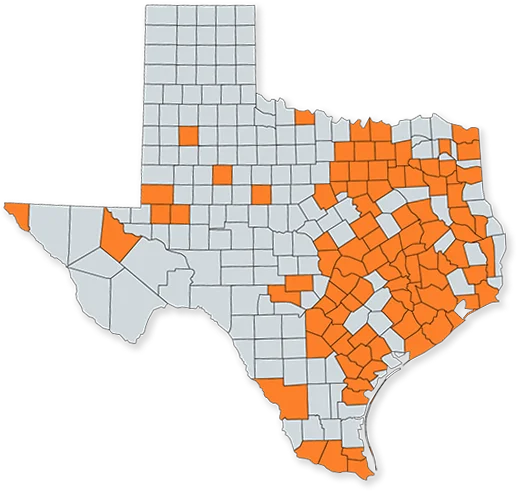
We serve clients throughout Houston, Dallas, and Austin.
Related Resources
Ford + Bergner LLP
Trusted Probate And
Estate Planning Solutions
How Can We Help?
Fields marked with an * are required

Follow Us On
Connect With Us
Connect With Us
© 2026 Ford + Bergner LLP. All Rights Reserved.
