
Dallas Estate, Trust, and Guardianship Litigation Attorney
 What makes estate, trust, and guardianship concerns so challenging is not only the complicated legal aspects but also their emotionally charged nature. These issues are incredibly important to those involved, and they also often involve family, which can always bring out the strongest of emotions, both negative and positive. All of this can lead to potential disputes that quickly become contentious. Finding resolutions under these conditions can be challenging, but the right estate probate lawyer may be able to help.
At Ford + Bergner LLP, our team is prepared to work with the most challenging of estate, trust, and guardianship litigation issues. We understand both the unique legal difficulties and also the emotional nature of these cases. That’s why we work hard to fiercely advocate for our clients while also understanding the importance of sensitivity, particularly when these matters are addressed after the passing of a loved one. If your dispute appears to be headed for litigation, our team in Dallas is here to help, contact us at 713-260-3926.
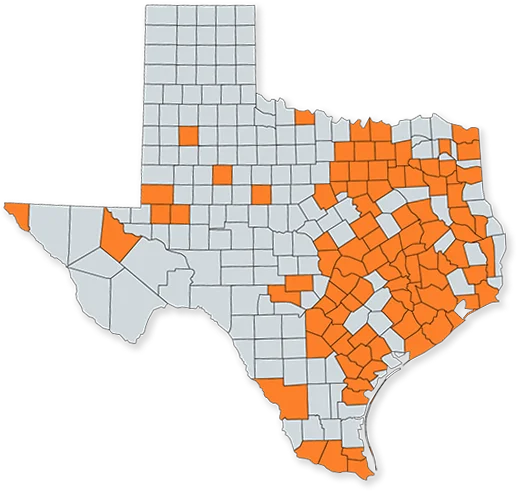
We also provide estate and guardianship litigation in the Austin and Houston areas.
What Is Trust Litigation?
A trust is one of the most important and helpful tools for those who have particular interests in estate planning and structuring the ownership and use of their assets. Trusts offer significant advantages, such as shielding assets from the probate process, maintaining the privacy of an estate, and reducing the potential disputes and conflicts that could occur after someone’s passing. However, just because trusts can reduce the risk of disputes does not mean the risk is eliminated.
There may be some disputes that will need to be litigated in order to be resolved. Generally, these complaints are brought by the originator of the trust, the trustee, or the trust’s benefactors.
[Related: Ways To Avoid Trust Litigation To Keep Peace In The Family]
Disputes Between a Trustee and Beneficiary
 Much of the potential trust-related litigation that occurs is the result of a dispute between the trustee and the beneficiary of the trust. This is often because the beneficiary believes that the trustee has failed to act properly in some way or disagrees with their decisions in regard to releasing the trust’s assets.
While both sides are usually represented by a litigator, the trustee’s attorney fees will be paid out of the trust if they are shown to have been in the right. This reduces the overall assets available to the beneficiaries.
Failure to Provide Accounting as a Trustee
One of the critical functions of a trustee is to keep an accounting of the assets in the trust and their management of those assets. In some cases, the trust will dictate that an account be given regularly, such as annually or biannually. The trustee could also be required to give an accounting when requested by a beneficiary. Failure to provide it in a timely fashion could lead to the beneficiaries using litigation to compel the accounting.
The Termination of a Trust
Trusts have an end date or event, at which point the trustee will be expected to close the trust and distribute the assets according to its rules. Sometimes, a trustee may fail to follow this process in a timely fashion, and it may then be necessary to involve litigation to compel the trustee to finish their duties.
What Is Estate Litigation?
A probate litigation lawyer can often be an essential component of working through the closing of someone’s estate after their passing. There are many different challenges and issues that can emerge despite the guidance and structure that the probate process provides. These disputes often rise to the point of needing to be addressed through litigation. The probate process is initiated while many family members are still emotionally raw and mentally processing the passing of their loved one, which can make things more difficult.
Estate disputes will usually be brought by family members or those who can demonstrate that they have an interest in the estate, such as creditors who are owed by the decedent.
[Related: Five Steps to Help Avoid Estate Litigation]
Claims Against an Estate Made by a Creditor
 With the growing reliance on instruments of debt, such as credit cards and loans, it’s not uncommon for someone to pass away while still owing money to others. During the probate process, it’s possible for these lenders to attempt to collect what is owed to them. However, filing these kinds of claims against an estate can often be complicated.
Failure to follow the appropriate steps and procedures when filing a claim against an estate can lead to unnecessary delays or the claim possibly being denied. That’s why it’s imperative that those who are looking to collect from an estate work with a probate litigator to see that proper procedure is followed and their interests are well-represented.
Seeking Money Lent From the Estate
In some cases, the executor of an estate may find that the decedent had lent money before their passing, and the money has not yet been returned. If this is the case, it’s their responsibility to seek the return of those funds. If the debtor does not want to return the money, it’s possible that the executor will need to resort to litigation to seek what they’re owed.
Opposition to an Executor or Administrator
It is the responsibility of the executor or administrator to shepherd the estate through the probate process, ensure that all the proper steps are followed, and comply with the relevant regulations. There are some circumstances where a benefactor or benefactors may have concerns about the proposed executor’s ability to perform these functions in an unbiased manner. These concerns can lead them to challenge this individual becoming the executor. Sometimes, the case may only be resolved through litigation.
Seeking the Removal of an Executor or Administrator
The responsibilities of the executor or administrator of an estate are significant. It’s critical that they be executed properly. However, there are times when it comes to light, through the process of executing an estate, that the job is not being done properly. In these situations, the beneficiaries may seek the removal of the executor. The Texas Estate Codes describe the grounds on which an executor may be removed. If these grounds are proven, the executor could be replaced.
Challenging the Will
 One of the most likely potential sources of litigation that may arise in the probate process is someone challenging the validity of the will. Because of the importance of the will to the probate and estate management process, it must be considered to have been established when the decedent was of sound mind and free from undue influence.
Challenges to a will generally involve attempting to make the case that the decedent was not of sound mind when they signed it. For instance, an issue like Alzheimer’s or dementia may be used to argue that the decedent was not of sound mind. It could also be argued that someone like a caretaker had undue influence and made the will differ from the desires of the decedent.
For a will to be valid, it must be signed by witnesses and recorded in writing. Furthermore, the creator of the will must have been over 18 when they signed it. If a will does not meet these requirements, it could be found invalid. In this case, the assets would not be distributed according to the wishes described in the will. Instead, the probate court would follow intestate succession laws to give the property to the closest living relatives.
What Is Guardianship Litigation?
Guardianship is initiated to ensure the care of someone who is unable to properly care for themselves. This is usually because they are a minor who has lost their parents, are older and have begun to be impacted by the effects of aging, or have a disability that limits their ability to care for themselves.
Guardianship gives someone else the responsibility of caring for the health or financial interests of someone else. However, there can often be disputes and issues surrounding the issue of guardianship. They could stem from the party placed under guardianship, family members, or another party with an interest in the person’s welfare.
[Related: Guardianship Litigation: How Can You Determine When It Is Needed?]
Having a Guardian Removed
It may sometimes be appropriate for a guardian to be removed from their role, usually as a result of failing to have taken proper care of their charge. Usually, this is the result of a mistake or an inability to keep up with the duties necessary in conjunction with their own life. Sadly, though, there are some occasions when they are intentionally causing harm to those under their care.
An attempt to remove a guardian is usually brought by a family member or another caregiver who recognizes the way in which the guardian is failing to fulfill their duties. However, the grounds for removal are set by the Texas Estates Code, and they must fit those criteria for someone to be removed as guardian.
Who Should Act as Guardian?
In situations where there are multiple parties who have a potential claim to act as guardian, such as family members of equal standing, it’s possible for there to be disputes regarding who should take on that role. In those circumstances, it’s not uncommon for litigation to be the path to resolving the conflict.
Opposition to Being Placed Under Guardianship
Sometimes, someone who is being placed in the care of a guardian may object to the idea. When this is the case, they may object on two grounds through litigation. One objection is that they already have measures in place that will see to their care in case they need it, such as powers of attorney. In other cases, they may argue they still have the capacity to care for themselves and their affairs.
Objecting to the Medical Evidence Involved in a Guardianship Claim
To have someone placed under a guardianship for the reasons of incapacitation through a disability or the effects of old age, there is a requirement of medical documentation showing that the guardianship is necessary. This is based on a doctor’s assessment and is generally a standardized process. However, there are times when doctors may have differing opinions, leading to disputes.
What Is Fiduciary Litigation?
A fiduciary is someone who has the responsibility to manage finances in a way that aligns with the interests of another party. Unfortunately, however, this doesn’t always happen. In some cases, they may have demonstrated an inability to properly perform the role. However, sometimes a fiduciary performs their duties in a manner that intentionally benefits themselves or others at the expense of the person to whom they have a responsibility.
Usually, this is observed by a family member or someone else responsible for providing care, although a complaint could be brought by the person directly impacted as well.
Help With Dallas Estate, Trust, and Guardianship Litigation
Some of the most unique and challenging legal issues are those related to estates, trusts, and guardianships. There’s a reason why counties large enough to justify it, such as Dallas County, create courts that are set aside to hear only these kinds of cases. It seems that as estates continue to grow and become more complex, the need for litigation increases as well.
This area of law is sometimes unclear, and while there are state codes providing guidance and rules, there are also many unique difficulties that can arise throughout the process. In addition, these emotionally charged issues that often take place shortly after the death of a loved one, often before the family has had the opportunity to fully grieve. It’s no surprise that with high tensions involved, these disputes can quickly turn ugly.
It’s critical that you have an experienced estate litigation attorney to work with in these cases. The help of someone who understands both the legal aspect and the emotional challenges involved can be invaluable. The experienced team at Ford + Bergner LLP will provide comprehensive legal guidance as you navigate this difficult situation.
Our team is dedicated to helping our clients through complex litigation issues and pursuing their objectives. We are experienced in developing creative solutions through mediation when possible. However, if pursuing a favorable outcome in court is the most viable option, we can argue aggressively on behalf of our clients’ interests. Contact our offices today at 713-260-3926 to discuss how we may be able to help your case.
Ford + Bergner LLP
Trusted Probate And
Estate Planning Solutions
How Can We Help?
Fields marked with an * are required

Follow Us On
Connect With Us
Connect With Us
© 2026 Ford + Bergner LLP. All Rights Reserved.
