
Blog

What Happens if an Executor Does Not Pay Taxes in Houston, TX?
When a loved one passes away, the executor of their estate has the serious responsibility of settling final debts, distributing assets, and ensuring that all legal and tax obligations are properly handled. One of the most significant duties is filing and paying any outstanding taxes. Failure to do so can create significant problems, not just for the estate, but for the executor personally.
At Ford + Bergner, LLP, our Houston probate attorneys help executors and beneficiaries understand their rights and obligations under Texas and federal law, including how to manage and resolve tax-related issues in estate administration.
The Executor’s Duty to Pay Taxes
An executor serves as the personal representative of the deceased’s estate. This role carries a fiduciary duty, meaning the executor must act in good faith and in the best interests of the estate and its beneficiaries. Part of that duty includes ensuring all tax liabilities are identified, properly calculated, and paid before assets are distributed.
In Texas, an executor may be responsible for:
- Filing the decedent’s final income tax return for the year of death
- Filing any estate income tax returns for the income the estate earns after death
- Paying applicable federal estate taxes, if the estate’s value exceeds the federal exemption threshold
- Paying property taxes or business taxes if the estate includes real estate or ongoing business interests
If these obligations are ignored or mishandled, the executor may face serious financial and legal consequences.
What Happens When Taxes Go Unpaid
When an executor fails to pay estate-related taxes, the IRS and other taxing authorities have several enforcement tools at their disposal. The consequences can include:
Personal Liability for the Executor
Executors can be held personally liable for unpaid taxes if they distribute estate assets before satisfying those debts. In other words, if the executor transfers property or money to beneficiaries and later discovers tax obligations remain unpaid, the IRS can pursue the executor personally, even if they acted in good faith.
Penalties and Interest
The IRS and other tax agencies impose significant penalties and interest on unpaid amounts. These charges can quickly increase the total liability, reducing the value of the estate and complicating the distribution process.
Delays in Probate or Litigation
Unresolved tax obligations can delay the closing of an estate. Beneficiaries may petition the probate court to remove the executor or demand an accounting if taxes remain unpaid. In severe cases, litigation may be necessary to protect the estate’s remaining assets.
Damage to the Executor’s Reputation or Bond
Court-appointed executors are often required to post a bond as financial protection for the estate. If taxes are not paid and losses occur, the bonding company may seek reimbursement from the executor personally. Additionally, failure to comply with fiduciary duties can damage the executor’s credibility with the court.
How Tax Issues Arise in Estate Administration
Tax problems often occur not because of intentional wrongdoing, but due to oversight or misunderstanding. Common causes include:
- Unclear records of the decedent’s income, assets, or prior tax filings
- Delays in valuing estate property affect tax calculation
- Failure to consult accountants or tax professionals for complex estates
- Early asset distributions before liabilities are confirmed
- Disputes among beneficiaries that prevent timely filing or payment
An executor’s responsibilities can be overwhelming, particularly in high-value or contested estates. That is why obtaining professional legal guidance early in the process is so important.
How to Correct or Prevent Tax Mistakes
If an executor realizes taxes have not been properly filed or paid, immediate corrective action is necessary. Steps include:
- Consulting an experienced Texas probate attorney to evaluate the scope of the issue and determine potential personal exposure
- Filing amended or late returns to bring the estate into compliance
- Communicating with taxing authorities to negotiate payment arrangements or request penalty relief
- Avoiding further distributions until all tax liabilities are satisfied
At Ford + Bergner, LLP, we help executors correct errors, minimize penalties, and protect their personal interests while ensuring the estate complies with all applicable tax laws.
When Beneficiaries Are Affected
Beneficiaries can also be harmed when an executor fails to pay taxes. The estate may lose valuable assets to satisfy debts, or distributions may be delayed indefinitely. In extreme situations, beneficiaries may have to return distributions if the IRS or state tax authorities pursue the estate’s unpaid obligations.
Texas law allows beneficiaries to take action against an executor who breaches their fiduciary duty, including filing a petition for removal, demanding an accounting, or seeking restitution for damages. Our firm represents both beneficiaries and fiduciaries in these disputes, working to resolve tax-related conflicts efficiently and lawfully.
Avoiding Executor Liability in Houston Probate Cases
Executors can avoid personal risk by taking proactive steps:
- Keep detailed financial records of all estate transactions.
- Retain qualified tax and legal professionals.
- Verify all required returns—both federal and state—are filed on time.
- Refrain from distributing assets until all taxes and debts are confirmed as paid.
In high-value or contested estates, even a small oversight can lead to major consequences. Our probate lawyers assist executors throughout the probate process to ensure compliance and minimize potential liability.
In Need of Legal Help? Contact Ford + Bergner LLP today
If you are serving as an executor in Houston and are uncertain about your tax responsibilities, or if you are a beneficiary concerned about unpaid estate taxes, our attorneys at Ford + Bergner, LLP can help. We provide clear guidance, handle communication with tax authorities, and protect your interests at every stage of the probate process.
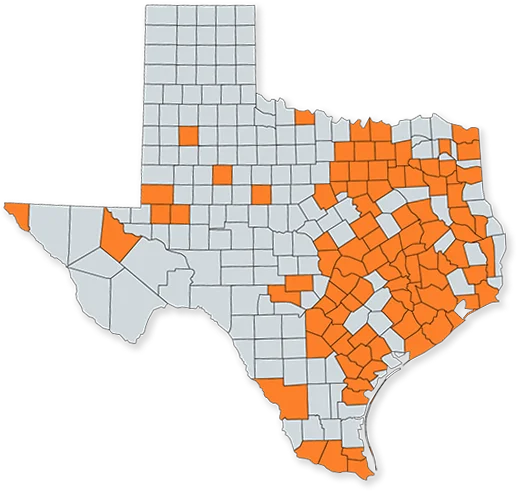
Contact the experienced lawyers at Ford + Bergner LLP today & schedule your free consultation. We proudly serve Houston, Austin, Dallas & all throughout Texas. Visit our law offices at:
Ford + Bergner LLP – Houston Office
700 Louisiana St 41st Floor,
Houston, TX 77002, United States
Phone: (713) 260-3926
Fax: (713) 260 3903
Ford + Bergner LLP – Dallas Office
901 Main St 33rd floor,
Dallas, TX 75202, United States
Phone: (214) 389 0887
Fax: (214) 389 0888
Ford + Bergner LLP – Austin Office
221 W 6th St #900,
Austin, TX 78701, United States
Phone: (512) 610 1100
Fax: (512) 610 1101
Ford + Bergner LLP
Trusted Probate And
Estate Planning Solutions
How Can We Help?
Fields marked with an * are required

Follow Us On
Connect With Us
Connect With Us
© 2026 Ford + Bergner LLP. All Rights Reserved.
