
Blog

Strategic Guidance for High-Net-Worth Individuals in the Probate Process
At Ford + Bergner, LLP, we recognize that high-net-worth individuals face unique challenges when it comes to estate administration. With larger estates come more complex assets, heightened tax exposure, and often greater risk of disputes. Navigating the probate process under these circumstances requires strategic planning, precise legal execution, and a deep understanding of both family dynamics and financial structures.
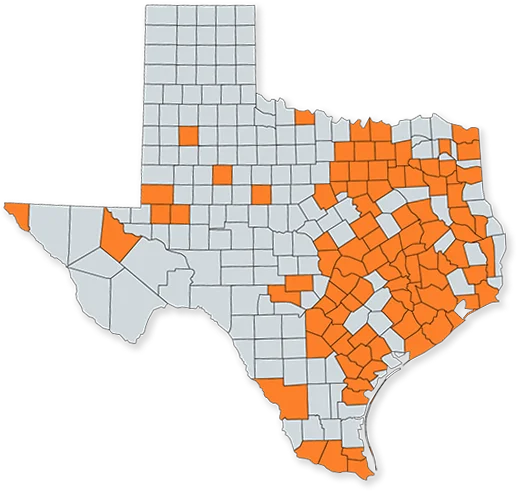
We help clients in Austin, Dallas, and Houston understand how probate works and how to avoid unnecessary delays, taxes, and disputes. Contact Ford + Bergner, LLP today at 713‑322‑4923 to protect your estate and ensure a smooth transition for your heirs.
What Is Probate?
Probate is the process of proving a will is valid and executing a deceased person’s estate. In Texas, probate occurs in the county of the decedent’s residence. The probate court will either approve the decedent’s named executor if there’s a valid will or name an estate administrator if there isn’t a will or the named executor can’t serve.
The probate court’s role is to ensure assets are inventoried, creditors are notified, debts and taxes are paid, and that remaining assets are distributed to heirs or beneficiaries. This is also typically where the probate process can get more complicated for high-net-worth individuals, given the types and values of their assets.
Key Phases of the Probate Process in Texas
Every probate case is different. While each case will have its own unique process, most cases can expect to follow a general timeline, covering certain phases.
Filing the Will and Petition
Probate starts by filing the will and a petition to open probate with the county court. Texas law mandates that this must occur within four years of the individual’s death. The court will schedule a hearing to officially appoint the executor and probate the will.
Appointing an Executor or Administrator
The court will issue “Letters Testamentary” or “Letters of Administration” if it approves your petition. The executor or administrator will have legal authority to act on behalf of the estate. They are also responsible for the rest of the process.
Notifying Creditors and Beneficiaries
The executor is required to give notice to beneficiaries under the will and publish notice to creditors. The executor must file an inventory of all assets of the estate within 90 days, unless an affidavit in lieu of inventory is filed and approved by the court.
Settle Debts
Before any distributions can be made, the executor must pay all valid debts of the estate. These may include loans and business debts, as well as federal estate taxes, if any. Estate tax planning for larger estates may require special legal strategies.
Asset Distribution
After all debts are paid and required filings are made, the executor distributes the remainder of the estate to heirs or beneficiaries. The executor files the final accounting with the court and requests closure of the estate.
Common Probate Challenges for High-Net-Worth Estates
High-net-worth estates face a range of complex challenges during probate that can delay distributions, trigger disputes, and jeopardize wealth preservation. At Ford + Bergner LLP, we help families and fiduciaries navigate these issues with strategic legal support.
- Complex Asset Structures
Luxury real estate, business interests, investments, and offshore accounts often require expert valuation and handling, complicating the probate process. - Tax Exposure
Large estates may be subject to federal estate taxes, capital gains, and other liabilities that require careful management and prompt action. - Family Disputes
Significant wealth can lead to will contests, claims of undue influence, or disputes over asset distribution—often resulting in costly litigation. - Outdated Estate Plans
Incomplete or outdated documents create confusion, delays, and legal risk. Regular updates are essential to reflect current assets and family dynamics. - Business Succession Issues
Without a clear succession plan, business ownership can become a source of conflict, risking both estate value and company stability. - Privacy Concerns
Probate is a public process. Without trusts or other planning tools, sensitive financial and personal details may be exposed. - Fiduciary Risks
Executors of large estates face high levels of responsibility. Mistakes can lead to liability, making experienced legal counsel essential.
At Ford + Bergner LLP, we guide high-net-worth families through probate with discretion, precision, and a clear focus on protecting your legacy.
Why Do High-Net-Worth Estates End Up in Probate?
Many families assume that wealth alone protects an estate from probate but this is a common misconception. Even affluent estates may enter the probate process due to avoidable planning oversights or legal technicalities.
Some of the most common reasons high-value estates go through probate include:
- No Trust Was Created: A will alone does not bypass probate. Without a properly drafted and funded trust, major assets—such as real estate, business interests, and investment accounts—must be handled through the court.
- Individually Titled Assets: When key assets are titled solely in the decedent’s name and lack beneficiary designations, they cannot be transferred without probate approval.
- Outdated or Incomplete Estate Plans: Wealthy individuals often have evolving asset portfolios and family situations. If estate plans aren’t updated accordingly, courts may need to intervene to interpret or validate documents.
- Family Disputes or Will Contests: Large estates are more likely to be challenged by heirs or interested parties. These disputes can drag a well-structured estate into probate litigation.
- Tax or Debt Complications: Significant estates often face complex tax liabilities or creditor claims that require court involvement before distributions can be finalized.
Strategic Planning Before and During Probate
For high-net-worth individuals and their families, preparation is key. Strategic planning should begin long before probate is needed and continue throughout the process with the help of a skilled attorney. Some essential strategies include:
- Creating or updating estate plans regularly to reflect current assets, tax laws, and family circumstances.
- Utilizing revocable and irrevocable trusts to transfer assets outside of probate, protecting privacy and expediting distribution.
- Designating powers of attorney and healthcare directives to avoid conservatorship or guardianship disputes.
- Establishing business succession plans to ensure the smooth transition of ownership and operations.
- Hiring a probate attorney familiar with complex estates to oversee filings, manage disputes, and handle tax compliance efficiently.
Protecting Wealth and Reducing Risk
A thoughtful approach to probate helps high-net-worth individuals protect their legacy. By working with legal professionals who understand the financial and emotional stakes involved, executors and beneficiaries can avoid costly missteps and delays.
Whether you’re developing an estate plan or navigating probate as an executor or heir, experienced legal counsel ensures your interests, and the wishes of the decedent, are respected at every stage.
Experienced Probate Counsel for High-Net-Worth Families
Whether you are the executor of a complex estate, a business owner protecting future generations, or a family member facing an unexpected probate process, Ford + Bergner LLP offers the experience and strategic insight to guide you through every step. Our firm has successfully handled high-value estates involving complicated asset structures, intergenerational trusts, charitable foundations, and closely held businesses.
We understand the importance of discretion, efficiency, and preserving family legacies. Let us help you navigate probate with confidence and clarity. Contact Ford + Bergner, LLP at 713‑322‑4923 to talk to a probate lawyer serving Austin, Dallas, and Houston.
Ford + Bergner LLP
Trusted Probate And
Estate Planning Solutions
How Can We Help?
Fields marked with an * are required

Follow Us On
Connect With Us
Connect With Us
© 2026 Ford + Bergner LLP. All Rights Reserved.
