
Blog

What Is a Power of Attorney and How Do I Set One Up?
Life is unpredictable, which makes planning for potential incapacity an important way to protect yourself and your family. A power of attorney (POA) ensures someone you trust can manage your affairs if illness, injury, or cognitive decline prevents you from handling matters yourself. Without this essential document, your loved ones may face costly and time-consuming court proceedings to obtain authority to help you.
At Ford + Bergner, LLP, our reputable board-certified Houston estate law attorneys can guide you through the process and help you establish a power of attorney that protects your interests.
What Is a Power of Attorney?
A power of attorney (POA) is a legal document that authorizes someone you choose to act on your behalf in specific matters. You create it while you still have full mental capacity to make informed decisions. The person you appoint—your agent or attorney-in-fact—receives legal authority to handle transactions, make decisions, and take actions within the scope of powers you grant.
Types of Power of Attorney in Texas
Texas law recognizes several distinct types of powers of attorney, each serving different purposes and providing varying levels of authority. Your circumstances, concerns, and goals determine which type of POA is most suitable for your situation. The main categories include:
- General Power of Attorney: Grants your agent broad authority to handle financial and legal matters, including banking, real estate transactions, business operations, tax matters, and contract negotiations. This type typically takes effect immediately when you sign it and terminates if you become incapacitated unless you include durability provisions.
- Durable Power of Attorney: Contains specific statutory language under Texas Estates Code § 751.0021 stating that the agent’s authority continues even if you become incapacitated or disabled. The durability provision makes this the most common choice for long-term planning since it ensures your agent can continue managing your affairs precisely when you need help most.
- Limited or Special Power of Attorney: Limits your agent’s authority to specific transactions or time periods—such as selling a particular property, handling one business matter, or managing affairs while you are abroad. The document clearly outlines the scope of authority and often includes an expiration date.
- Medical Power of Attorney: Authorizes your agent to make healthcare decisions on your behalf when you are unable to communicate your wishes or lack the capacity to make informed medical choices. Medical powers of attorney in Texas are governed by Health and Safety Code § 166.152(g) and must include specific statutory language to remain valid.
- Springing Power of Attorney: Becomes effective only upon the occurrence of a specific event, typically your incapacity as determined by one or more physicians. While this type seems appealing because it preserves your control until necessary, it creates practical challenges when agents must prove incapacity to financial institutions and other third parties.
Selecting the appropriate type requires careful consideration of your current situation and future needs. Different powers of attorney address different aspects of your life and legal affairs. Many people establish multiple powers of attorney to ensure comprehensive coverage of both financial and healthcare decisions.
How Do I Set a Power of Attorney in Texas?
Creating a valid POA in Texas involves more than simply downloading a form from the internet and signing it. Proper execution requires an understanding of legal requirements, making informed decisions about the authority granted, and following specific formalities. The process ensures your document will function effectively when your agent needs to use it.
Choose Your Agent and Define Powers
Selecting your agent represents the most critical decision in the entire process since you entrust this person with significant authority over your life. You should choose someone who demonstrates sound judgment, maintains financial responsibility, and understands your values and preferences. Consider naming successor agents who can step in if your first choice becomes unable or unwilling to serve when the time comes.
Hire a Qualified Estate Law Attorney
Working with our experienced estate law attorneys ensures your power of attorney complies with all legal requirements and reflects your specific goals. Generic forms often overlook Texas-specific rules and fail to address your unique circumstances. Professional guidance helps you avoid costly mistakes that could render your document ineffective.
Our attorneys at Ford + Bergner, LLP can assist by:
- Explaining the different types of powers of attorney: Recommending the best options for your situation based on your age, health, family dynamics, and asset complexity.
- Drafting customized language: Granting appropriate authority while including necessary protections, limitations, and guidance for your agent’s decision-making.
- Ensuring compliance with Texas Estates Code requirements: Including proper statutory language, necessary provisions, and execution formalities that financial institutions and healthcare providers will recognize.
- Coordinating your power of attorney with other estate planning documents: Including wills, trusts, and advance directives, to create a comprehensive plan without conflicts or gaps.
- Advising on potential risks, agent duties, and safeguards: Protecting you from financial exploitation or abuse while balancing your agent’s need for practical authority.
- Guiding when the power of attorney should take effect: What authority to grant, and how to structure provisions that give you maximum protection and flexibility.
Our attorneys can also help you understand your agent’s fiduciary duties and responsibilities under Texas law. Your agent must act in your best interests, keep accurate records, and avoid conflicts of interest. Professional drafting includes clear instructions that guide your agent’s conduct and protect you from potential abuse.
Execute the Document
Texas law requires that you sign your power of attorney in the presence of a notary public for it to be legally valid and recognized. Certain powers of attorney, especially those involving real estate transactions, may also require additional formalities, such as witness signatures. Your attorney ensures you meet all execution requirements under current Texas statutes.
Consult a Board-Certified Estate Law Attorney in Houston, TX
Establishing a properly drafted POA protects you from the uncertainty and expense of guardianship proceedings if you become incapacitated. The small investment in professional legal guidance now saves your family significant time, money, and stress during already difficult circumstances.
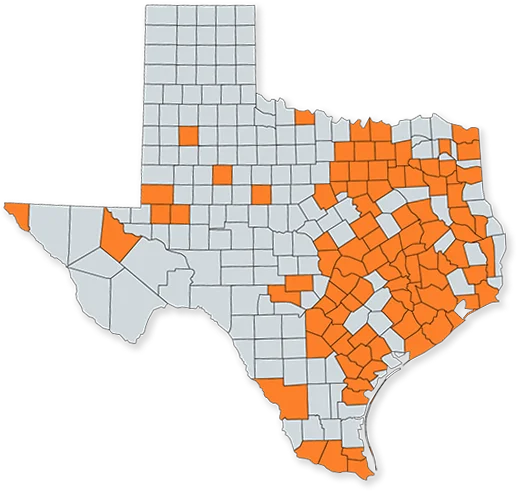
Our board-certified estate law attorneys in Houston bring decades of experience helping clients create powers of attorney that provide real protection when it matters most. Contact the experienced lawyers at Ford + Bergner LLP today & schedule your free consultation. We proudly serve Houston, Austin, Dallas & all throughout Texas. Visit our law offices at:
Ford + Bergner LLP – Houston Office
700 Louisiana St 41st Floor,
Houston, TX 77002, United States
Phone: (713) 260-3926
Fax: (713) 260 3903
Ford + Bergner LLP – Dallas Office
901 Main St 33rd floor,
Dallas, TX 75202, United States
Phone: (214) 389 0887
Fax: (214) 389 0888
Ford + Bergner LLP – Austin Office
221 W 6th St #900,
Austin, TX 78701, United States
Phone: (512) 610 1100
Fax: (512) 610 1101
Ford + Bergner LLP
Trusted Probate And
Estate Planning Solutions
How Can We Help?
Fields marked with an * are required

Follow Us On
Connect With Us
Connect With Us
© 2026 Ford + Bergner LLP. All Rights Reserved.
