
What Is Undue Influence in Estate Planning and How Is It Proven?

Undue influence in estate planning occurs when someone pressures or manipulates a person into changing their will, trust, or other estate documents in a way that does not reflect that person’s true wishes. Texas courts recognize undue influence as a basis for contesting a will or trust, and a successful claim can result in the document being set aside entirely. The influence must go beyond ordinary persuasion. It must override the testator’s free will and substitute the influencer’s intentions for their own. If you believe a loved one’s estate plan was manipulated, understanding how courts evaluate these claims is an important first step.
What Counts as Undue Influence Under Texas Law?
Texas courts apply a three-part test to determine whether undue influence occurred. To succeed on a claim, the challenging party must prove all three elements:
- The person accused of exerting influence had the opportunity to do so
- That person had a motive to influence the testator for their own benefit
- The influence actually caused the testator to execute an estate-planning document they otherwise would not have signed
No single factor is enough on its own. Courts look at the full picture, including the relationship between the parties, the testator’s physical and mental condition at the time of signing, and whether the terms of the document make sense given the testator’s known values and prior expressed wishes. This standard was outlined by the Supreme Court of Texas in Rothermel v. Duncan and remains the framework courts apply today.
Warning Signs That Undue Influence May Have Occurred
Undue influence rarely happens in the open. It tends to develop gradually, often where a vulnerable person becomes dependent on someone who then uses that dependency to their advantage. Common warning signs include:
- A sudden or unexplained change to a will or trust, especially late in life or during an illness
- The beneficiary of the change was heavily involved in arranging or attending the signing
- The testator was isolated from family members or longtime friends before the document was executed
- The new estate plan drastically departs from the wishes the testator had expressed to others
- The testator showed signs of cognitive decline, depression, or physical dependence at the time of signing
- The person alleged to have exerted influence controlled access to the testator’s finances, medical care, or daily life
None of these signs proves undue influence on its own, but a pattern of several together can form the basis of a strong legal challenge. Family members must be vigilant to these signs so they can take legal action when necessary.
How Is Undue Influence Proven in Texas?
Proving undue influence is challenging because it almost always relies on circumstantial evidence. The person exerting influence rarely does so in writing or in front of witnesses. Texas courts allow indirect evidence, and the strength of a claim depends on how much of it points in the same direction. Evidence commonly used includes:
- Testimony from family members, friends, or caregivers who observed the testator’s condition and relationships
- Medical records documenting cognitive decline, dementia, or dependence on others at or near the time of signing
- Prior versions of the will or trust that reflect different intentions
- Communications such as emails, letters, or text messages between the alleged influencer and the testator
- Financial records showing the alleged influencer gained control over the testator’s accounts or assets
- Attorney notes or drafting history from the estate planning attorney who prepared the document
The burden of proof falls on the person challenging the document, who must show the influence was the but-for cause of the estate plan as written. Because the evidence is often scattered across medical records, financial files, and witness recollections, these cases benefit significantly from early legal guidance.
What Happens If Undue Influence Is Proven?
When a Texas court finds that undue influence affected a will or trust, it can void the document in whole or in part. If the entire document is set aside, the estate may pass under a prior valid will or, if none exists, under Texas intestacy laws. In some cases, only the specific provision affected by the influence is invalidated, while the rest of the document remains in effect. The outcome depends on how deeply the court finds the influence penetrated the document and whether the remaining provisions can be separated from the tainted ones.
What to Do If You Suspect Undue Influence
Speak with an attorney who handles estate litigation before drawing any conclusions. A legal review of the facts can tell you whether the evidence supports a challenge and what the realistic outcomes might be.
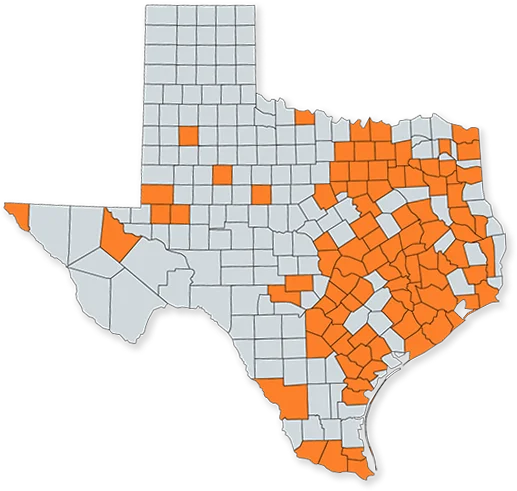
Our Austin estate litigation attorneys have handled these disputes across Texas for 25 years. They can help you assess whether the facts of your situation support a claim worth pursuing. If you believe a family member’s estate plan was the product of manipulation rather than their own free will, Ford + Bergner, LLP is ready to review your situation. Fill out our online contact form or call (512) 610-1100 to speak with our team.
Ford + Bergner LLP
Trusted Probate And
Estate Planning Solutions
How Can We Help?
Fields marked with an * are required

Follow Us On
Connect With Us
Connect With Us
© 2026 Ford + Bergner LLP. All Rights Reserved.
