
What Happens When a Fiduciary Makes a Financial Mistake

When an executor, trustee, guardian, or agent under a power of attorney makes a financial mistake, Texas law allows the people they serve to demand an accounting, seek removal, and recover money the estate or trust lost, directly from the fiduciary if necessary. What happens next depends on whether the mistake was an honest error or a breach of the legal duties that come with the role. Texas law takes this seriously because a fiduciary is handling someone else’s money, not their own, and the law expects them to answer for how they manage it.
That standard applies across the board, no matter which role the fiduciary holds. A single bad decision does not always mean a lawsuit is coming, but a pattern of carelessness, self-dealing, or ignored responsibilities usually does. The type of fiduciary role matters too, since a trustee, an executor, and an agent under a power of attorney each answer to slightly different rules, even though the underlying duty of loyalty and care is the same.
What Counts as a Fiduciary Mistake
A fiduciary mistake can range from a paperwork error to outright misuse of estate or trust funds. Missing a tax deadline, misreading a will’s instructions, or failing to diversify trust investments can all create liability if they cause beneficiaries to lose money. Using estate or trust funds for personal expenses, even temporarily, is treated far more seriously and can lead to removal in addition to financial repayment.
Common examples include:
- Failing to keep estate or trust funds separate from personal accounts
- Missing deadlines for tax filings, distributions, or required accountings
- Making risky investments without regard for the beneficiaries’ interests
- Selling estate or trust property for less than fair value
- Paying themselves fees or compensation the will or trust does not authorize
Not every mistake rises to the level of a legal claim. A fiduciary who acts in good faith, follows the terms of the will or trust, and exercises reasonable care is generally protected, even if a decision looks wrong in hindsight. Courts distinguish between a judgment call that went wrong and a failure to follow the basic duties required by the role. In other words, the same financial loss can lead to very different outcomes depending on its cause.
The Difference Between an Honest Mistake and a Breach of Duty
Texas courts look at intent and process, not just outcome, when deciding whether a mistake becomes a breach of fiduciary duty. A trustee who consults with a financial advisor and makes a reasonable investment decision that later loses money is in a very different position than one who ignores the trust’s instructions altogether. Under Texas Property Code § 114.001, a trustee who commits a breach of trust is personally liable for the resulting damages, including any loss in value to the trust and any profit made through the breach.
The same principle applies to executors and administrators of an estate. Texas Estates Code § 351.003 allows a court to hold a personal representative (the executor or administrator of an estate) liable for removal costs and other losses when the representative neglects a required duty or is removed for cause. The bar is higher than a simple disagreement about strategy. It requires a real failure to meet the duties imposed by the law and the governing document, such as ignoring an inventory deadline or failing to protect estate assets from an obvious risk.
Protecting the Estate While a Dispute Is Pending
A beneficiary does not have to wait until a case is fully resolved to protect the money at stake. Texas courts can order a fiduciary to file an immediate accounting, restrict further transactions from the account, or post additional bond while the dispute plays out. In more serious situations, a court can suspend the fiduciary’s authority and appoint a temporary replacement to safeguard the assets.
These interim steps matter most when funds are actively at risk, such as in the case of an ongoing pattern of withdrawals or a fiduciary who refuses to produce records. Acting quickly can prevent a recoverable loss from turning into money that is genuinely gone. A probate or trust litigation attorney can help identify which remedy fits the circumstances early on.
What Beneficiaries Can Do When a Mistake Happens
Beneficiaries who suspect that a fiduciary made a costly mistake have several options under Texas law, and these options are not mutually exclusive. A beneficiary can typically pursue:
- A formal demand for an accounting of all estate or trust transactions
- A petition to remove the fiduciary from their position
- A claim for damages to recover the financial loss personally from the fiduciary
- A request that the court order the fiduciary to correct the mistake going forward
The right approach depends on how serious the mistake was and whether the fiduciary is willing to correct it once it comes to light. A first-time, low-dollar error handled honestly often resolves with an accounting and a course correction. A pattern of self-dealing or a large, unexplained loss usually calls for a more formal claim in probate or trust litigation. Even when a formal claim becomes necessary, many disputes resolve well before trial once the facts are clear.
Our attorneys often start by requesting a full accounting, since it is the fastest way to see exactly what happened to the money and whether the fiduciary’s explanation holds up. From there, the facts determine whether removal, financial recovery, or both make sense. The numbers themselves often settle the disagreement. When they do not, a judge decides what is owed.
Talk to Ford + Bergner, LLP About Your Fiduciary Concerns
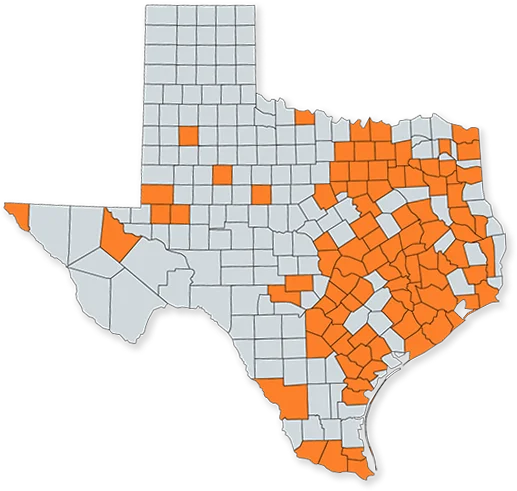
Ford + Bergner, LLP represents beneficiaries and fiduciaries in disputes over financial mistakes, breaches of duty, and removal proceedings across Texas. For 25 years, our attorneys have handled probate, estate, and trust matters throughout the state, and we listen first to understand what happened before recommending next steps. Fill out an online contact form or call (713) 352-0937 to talk through your situation and what comes next.
Ford + Bergner LLP – Houston Office
700 Louisiana St 41st Floor,
Houston, TX 77002, United States
Phone: (713) 260-3926
Fax: (713) 260 3903
Ford + Bergner LLP
Trusted Probate And
Estate Planning Solutions
How Can We Help?
Fields marked with an * are required

Follow Us On
Connect With Us
Connect With Us
© 2026 Ford + Bergner LLP. All Rights Reserved.
