
Blog

What Are the Criteria for Removing a Guardian in Houston?
Texas does not lightly appoint guardians, and thus removing one isn’t the simplest thing to do. However, there is provision for it, and a Houston guardianship lawyer can help you remove a guardian if it becomes necessary.
What Are the Criteria for Removing a Guardian in Houston?
If They Fail Certain Qualification Issues
The law allows the courts to remove someone from a guardian position without any warning or notice if they have done or failed to do certain things. First, if a guardian has been appointed but has not bothered to get themselves properly qualified to be the guardian within the time period allowed them by law, they can be removed. If they have been properly qualified but then fail to get the court an inventory of the ward’s estate property and any claims against it within 30 days, they can also be removed; though in some cases, that deadline can be extended by a court order.
A guardian can also be removed for failing to give a new bond if the court requires it, and within the time limit allowed, or if the guardian leaves the state for three or more months without permission. Even if they have permission to be gone, if they can’t be serviced with important notices or other processes because they can’t be found or are deliberately trying to avoid being served, they can have their guardianship revoked. Another reason that a guardian can be removed is if they aren’t a resident of Texas and don’t have an agent who can properly accept service of process in a guardianship matter.
If They Are Untrustworthy
If a guardian misapplies or embezzles anything belonging to the person under their care, they can be immediately removed without warning or notice. This also applies if you’re able to show they are about to misapply, embezzle, or take out of state anything entrusted to them. Guardians can also be removed if they are abusive, neglectful, or exploit their elderly or disabled ward. The definitions for what counts as “abuse” or “neglect” or “exploit” follow the Human Resources Code of Texas law.
If a guardian has a child ward, they can be removed if they aren’t maintaining or educating their ward as liberally as the actual condition of the estate allows for, though this can be a somewhat subjective evaluation, and it’s always wise to talk with a Houston guardianship lawyer to get an experienced opinion on what the state will rule in a case of this nature.
Other Types of Removal
A guardian can be removed only with notice under certain other conditions. First, if it can’t be immediately proved that they’ve stolen, embezzled, or misapplied property belonging to their ward, but there are sufficient grounds to support the belief that they likely have, the court can give the guardian notice and then remove them. The same can happen if the guardian isn’t reporting on any account like the law requires or has failed to obey any special order from the court in reference to their duties as a guardian. Also, if the guardian can be shown to be guilt of “gross misconduct or mismanagement” in the performance of their duties, they can be removed with notice.
Other reasons a guardian can be removed, but only with notice, include if the guardian themselves becomes incapacitated, if they are sent to prison, or if for some other reason it can be shown that they don’t have the capacity to do their job. The guardian of a minor can also be removed with notice if they are interfering with their ward’s “progress or participation in programs in the community.” Last, in some cases where there are joint guardians who are married, if the two guardians divorce, one or more of them may be removed as guardian if the court believes it’s in the best interests of the ward.
When Guardianship Is No Longer Necessary
Sometimes it is the happy case that a guardian is simply no longer needed. This is usually because an underage ward has grown up or an elderly or disabled person has regained the capacity to care for themselves. There can be disagreements here as to the full capacity of the ward, so it’s always best to get a skilled lawyer’s help, whether you’re arguing that a ward no longer needs help or you’re concerned that a guardian is being withdrawn too early.
How Does It Happen?
The court can make its own motion to remove a guardian, either with or without notice, as the case may be. If notice is required, then the guardian can’t be removed until they’ve been notified using a qualified delivery method and have been given a specific time and place to answer their notice. If someone who cares about the ward makes a complaint, the court can also remove the guardian once they’ve been properly served and given a chance to respond.
A court might also remove a guardian if they fail to keep up their certification, even if everything else is in order, and this can happen almost automatically. In some cases, if the court isn’t sure about the situation, it may appoint an attorney ad litem, who is a legal professional tasked with representing the interests of the ward, and then also an investigator or guardian ad litem (GAL). This second “ad litem” person will investigate the situation and report back to the court on whether they believe the original guardian should be removed.
The Process
While the specifics of this process may vary by situation, things generally go in a similar way. First, anyone with an interest in the ward’s welfare, including the ward themselves if capable, can file a petition to terminate or modify a guardianship. This petition must detail the reasons for the request, identify all parties involved, and specify the desired outcome (e.g., termination or modification of guardian’s powers).
All interested parties must be notified of the petition, including the current guardian, any family members, and potentially the ward if they’re not the petitioner. Then, a hearing is scheduled where evidence is presented. This might include testimony from the ward, guardian, family members, or experts like doctors or social workers. Often a GAL is appointed to represent the ward’s best interests independently. The court reviews all evidence and decides based on the ward’s best interest whether to terminate the guardianship entirely, modify the terms to limit or expand the guardian’s powers, or remove the current guardian and appoint a new one.
Working With a Houston Guardianship Lawyer
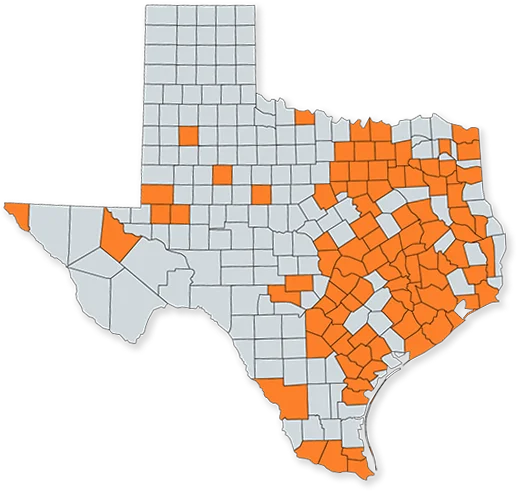
As you can see, there’s a lot of opportunity for confusion, plenty of chances to miss a deadline or make a mistake in the process, and some gray areas to this whole process. An experienced lawyer makes a big difference, whatever you’re trying to accomplish. Whether you need to appoint a guardian, challenge an appointment, or modify or termination an existing guardianship, we can help. Contact Ford + Bergner LLP for trusted probate and family law assistance in Houston, Austin, or Dallas. Your family is too valuable to leave things to chance: get experienced help from attorneys who understand that you’re going through a difficult time.
Ford + Bergner LLP
Trusted Probate And
Estate Planning Solutions
How Can We Help?
Fields marked with an * are required

Follow Us On
Connect With Us
Connect With Us
© 2026 Ford + Bergner LLP. All Rights Reserved.
