
The Greatest Wealth Transfer in History Is Looming: Is The Next Generation Ready?
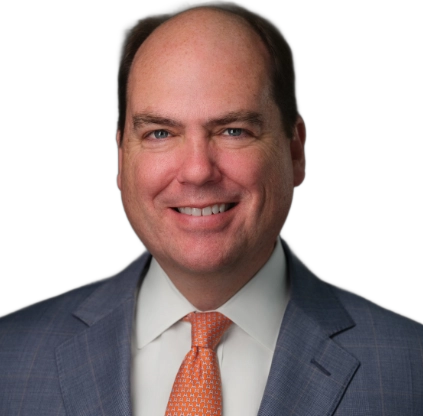
Don D. Ford III
Managing Partner
In March 2020, a week before the world shut down for the COVID pandemic, I had the honor of speaking to approximately 300 Trusts and Estates attorneys in Texas. To them, my topic was somewhat “off topic” because I was not talking about the laws of trusts and estates, but rather I was discussing what I perceive to be the business trends and issues facing these lawyers in the coming years.
I noted the downward trend in law school applications over the previous few years, the increasing trend of licensed lawyers choosing to forego traditional law practice in favor of other opportunities, the fact that 25% of lawyers in Texas were classified as Baby Boomers, and the projected tidal wave of work that would besiege these lawyers as the largest transfer of wealth in history was quickly looming when the Baby Boomers started dying and leaving their massive wealth to the next generation.
Fast forward to 2026, and these concerns have become more prominent. Notably, the issue of Baby Boomers making the largest transfer of wealth in history has become a hot topic of late in all sorts of publications.
In the last five years, large financial institutions like UBS and Bank of America have issued research reports on the topic. Books have been written, and white papers have been issued by groups like The World Economic Forum, The Institute for the Fiduciary Standard, and the Michigan Journal of Economics. All of these sources agree on the easy observation: a massive transfer of wealth is coming.
What’s more difficult is identifying the issues and solutions for what should happen to plan for the transfer and what the likely outcomes will be after the transfer.
As publications have been released in the last few years, many economists have estimated the value of the expected transfer. Those estimates range from $84 trillion to $124 trillion, with the majority of that wealth expected to remain within families. However, not all of those same lessons have been passed down to the next generations.
By way of example:
I am involved in a case currently with a family engaged in litigation over significant wealth. The patriarch of the family was a very successful businessman in Texas who amassed over a billion-dollar estate by the time of his death. I did not know him personally, but every account of this man tells me that he was a truly kind, generous, hard-working, and well-intentioned man.
This man and his wife of more than 60 years reared several children together. Since the Patriarch’s recent death, his children have done nothing but engage in massive litigation over their parents’ fortunes.
As happens with many large estates, the Patriarch in my example ran a successful business enterprise. For decades, he had one of his children working beside him in the company, and he always expected that child would lead the company when he was gone.
However, the Patriarch did not take proper steps to ensure that his plan was documented correctly. As a result, the other children have “ganged up” against the one in charge of the business, and they have summarily removed him from his position running the company.
It turns out that one of the other children had always harbored bitterness over the fact that his sibling had been involved in the business, and when given the chance, he leveraged his bitterness and his equal ownership to make decisions that were not consistent with the Patriarch’s wishes or the best interests of the business organization that the Patriarch spent so much of his life building.
I have spent nearly 30 years working with families who are either planning for an eventual transfer of wealth or working through the issues of actually accomplishing the transfer.
Here are some tips for taking intentional steps to prepare the next generation to receive a large transfer of wealth:
- Realistically and objectively consider your beneficiaries’ skills, talents, weaknesses, and relationships with each other.
- Teach the next generation! Do not cross your fingers and hope for the best when you are gone. Equip them over a long period of time with the knowledge and ability to successfully take the reins.
- Have difficult conversations. Having an honest conversation with your beneficiaries about choices that you’ve made (and not made) will reduce the likelihood of conflict once you are gone.
- If your beneficiaries do not get along well, do not tie them together forever. If they can’t receive their inheritance without ties to each other, appoint an independent party as the fiduciary to make decisions so your beneficiaries do not squander the estate with conflict.
- Surround yourself with a solid team of professionals who not only guide you in managing your wealth but who can also guide the next generation through the wealth transfer.
In my experience, an older generation who worked a lifetime to leave wealth to their descendants want the peace of knowing that their hard work is not going to be squandered by the next generation.
While it may be impossible to perfectly prepare your beneficiaries, making intentional efforts to properly equip them to receive the wealth can be a greater legacy to your family than actually having created the wealth in the first place.
In Need of Legal Help? Contact Ford + Bergner LLP today
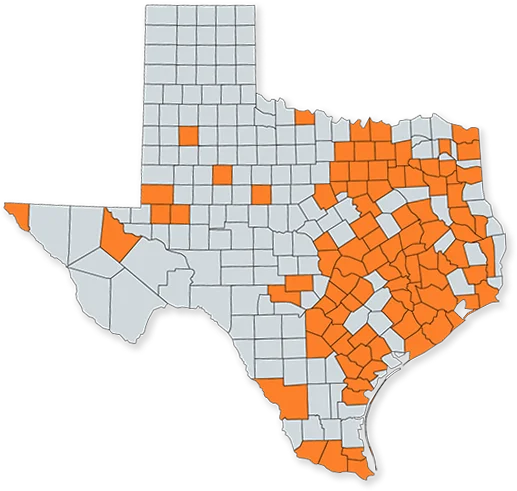
Contact the experienced lawyers at Ford + Bergner LLP today & schedule your free consultation. We proudly serve Houston, Austin, Dallas & all throughout Texas. Visit our law offices at:
Ford + Bergner LLP – Houston Office
700 Louisiana St 41st Floor,
Houston, TX 77002, United States
Phone: (713) 260-3926
Fax: (713) 260 3903
Ford + Bergner LLP – Dallas Office
901 Main St 33rd floor,
Dallas, TX 75202, United States
Phone: (214) 389 0887
Fax: (214) 389 0888
Ford + Bergner LLP – Austin Office
221 W 6th St #900,
Austin, TX 78701, United States
Phone: (512) 610 1100
Fax: (512) 610 1101
Ford + Bergner LLP
Trusted Probate And
Estate Planning Solutions
How Can We Help?
Fields marked with an * are required

Follow Us On
Connect With Us
Connect With Us
© 2026 Ford + Bergner LLP. All Rights Reserved.
