
Discharging a Guardian’s Duties in Dallas, TX
 When a Texas court appoints you as guardian, your responsibilities do not end when the ward passes away, regains capacity, or no longer needs care. You must complete a formal discharge process before the court releases you from your legal obligations. Until that order is issued, you remain legally accountable for your conduct as a guardian, even if you are no longer actively serving. That formal structure is why legal guidance matters at every stage of a guardianship.
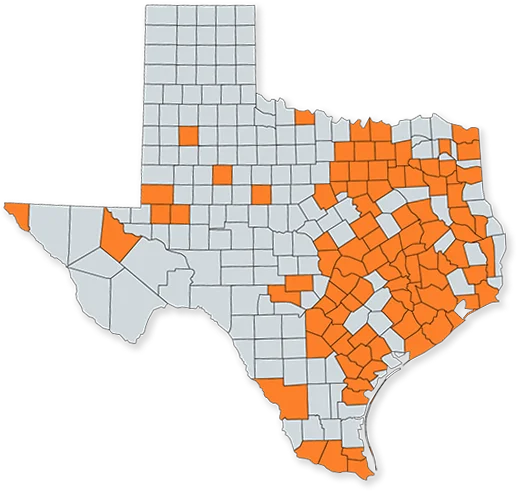
At Ford + Bergner, LLP, our attorneys guide guardians through every stage of this process in Dallas and across the Austin and Houston areas. Call us at (214) 389-0887 or contact us online to speak with our team.
How a Guardianship Ends in Texas
A guardianship does not close on its own. Under the Texas Estates Code Chapter 1202, a guardianship may terminate when the ward passes away, regains legal capacity, or, in the case of a minor, turns 18. The court may also close a guardianship when the ward’s estate is exhausted or when supervision is no longer warranted by the circumstances. In every situation, the guardian must take deliberate steps to formally close out their role rather than simply stepping back from active service.
Common triggering events that begin the discharge process include:
- The ward passes away
- Court restoration of the ward’s legal capacity
- A minor ward reaching the age of 18
- Depletion of the ward’s estate
- Court determination that guardianship is no longer needed
A guardian who wishes to step down before the guardianship ends naturally must petition the court for permission to resign and complete the same formal discharge steps required in any other closing.
Discharging a Guardian of the Estate
 A guardian of the estate has many duties, including managing financial matters on behalf of the ward and facing intensive discharge requirements. The court requires a final accounting before it will issue a discharge order, and every transaction during the guardianship must be supported by documentation. Any remaining assets must be delivered to the appropriate party before the court will approve the closing, and all submitted materials must be organized and complete.
The court will enter a discharge order only after the final account has been approved and all estate assets have been properly transferred. The steps generally include:
- Filing a complete final account detailing all income, expenses, and remaining assets
- Providing supporting documentation for every listed transaction
- Delivering remaining estate assets to the ward, the ward’s heirs, or the ward’s estate
- Obtaining a court order approving the account and formally discharging the guardian
If you are facing disputes during this process, our guardianship attorneys handle contested matters and can help protect your interests before the court.
Discharging a Guardian of the Person
A guardian of the person oversees the ward’s care, living arrangements, and medical decisions. The discharge process here is less financially complex, but it still requires prompt court notification and current annual reporting.
Any outstanding annual reports on the ward’s condition must be filed before the court will consider a discharge, and delays in notifying the court after a triggering event can expose you to continued liability. Courts treat the timely submission of required documentation as a reflection of how seriously the guardian took their obligations during active service.
Mistakes That Can Delay Your Discharge
Even guardians who served diligently can run into problems if the discharge process is not handled carefully. Courts scrutinize final accounts closely, and gaps in documentation or missed deadlines can stall the proceeding or result in a surcharge against the guardian personally. The time to address these issues is before the final account is submitted, not after the court has raised questions about the record.
Common mistakes to avoid include:
- Submitting an incomplete or undocumented final account
- Distributing estate assets before receiving court approval
- Failing to file outstanding annual reports before seeking discharge
- Assuming the guardianship closes automatically after the ward’s death
- Waiting too long to notify the court after a triggering event occurs
What Courts Expect From Guardians During Active Service
Before a discharge can be granted, Dallas probate courts look at how a guardian performed throughout the entire guardianship, not just at the end. Consistent recordkeeping, timely annual filings, and prompt responses to court inquiries all factor into how smoothly a final account is received by the judge. Guardians who stayed organized during active service rarely face resistance at the discharge stage.
Texas courts expect guardians to prioritize the ward’s best interests above all else during their service. That means documenting care decisions, keeping estate funds separate from personal accounts, and never making financial moves without proper court authorization. Guardians who mix funds or act outside their court-granted authority can face surcharges or removal before discharge is ever reached. The standards applied at discharge reflect the standards that should have guided the guardianship from day one.
Why Ford + Bergner, LLP
Ford + Bergner, LLP devotes its practice exclusively to estate, trust, and guardianship matters. Don Ford, the firm’s founding partner, holds Board Certification from the Texas Board of Legal Specialization in estate planning and probate, a distinction held by fewer than 3% of Texas attorneys.
When you hire Ford + Bergner, LLP, you work directly with the attorney assigned to your matter and receive counsel shaped by decades of hands-on experience before the courts you are navigating.
Frequently Asked Questions
What Happens to the Ward’s Assets After the Guardianship Closes?
Once the court approves your final account and issues a discharge order, remaining assets pass to whoever is entitled to receive them under the ward’s will or through intestate succession. Your role is to account for and transfer those assets accurately to the correct recipients. Distribution to heirs is handled separately through the probate process, and your responsibility ends once the transfer is properly documented and court-approved.
Does the Discharge Protect Me From Future Claims?
A court-issued discharge order provides meaningful protection against future claims related to your administration, provided you acted in good faith and within your court-granted authority. Without a formal discharge, that protection does not exist. This is why closing out the process correctly matters regardless of how straightforward your guardianship appeared during active service.
Do I Need an Attorney to Complete the Discharge?
Texas does not require attorney representation for the discharge process, but the final account must meet specific legal standards and will be reviewed carefully by the court. An attorney can ensure your paperwork is complete, identify any issues before they become disputes, and help you obtain the discharge order that brings your obligations to a clean close. Given the personal liability exposure that exists until discharge is granted, professional guidance is rarely a cost that guardians regret.
Contact Our Dallas Guardianship Attorneys
Completing a guardianship discharge correctly protects you from future liability and confirms you fulfilled your duties under Texas law. Ford + Bergner, LLP has devoted 25 years of focused practice to estate, trust, and guardianship matters in Dallas and across Texas, and our attorneys are ready to help you close out your role properly. Contact us today at (214) 389-0887 or reach out online to speak with our team.
Ford + Bergner LLP
Trusted Probate And
Estate Planning Solutions
How Can We Help?
Fields marked with an * are required

Follow Us On
Connect With Us
Connect With Us
© 2026 Ford + Bergner LLP. All Rights Reserved.
