
Guardianship of a Minor in Texas
 Guardianship of a minor in Texas is a court-supervised arrangement that gives a responsible adult legal authority to care for a child when the child’s parents are unable to do so. A court appoints a guardian to act in the child’s best interest, covering decisions about housing, education, and medical care. Our attorneys at Ford + Bergner, LLP have spent 25 years helping Texas families through this process.
At Ford + Bergner, LLP, our team is ready to help you pursue guardianship of a minor with clarity and confidence. Contact us online or call (713) 260-3926 to schedule your appointment.
When Is Guardianship of a Minor Necessary?
 Parents are the natural guardians of their children under Texas law. A guardianship becomes necessary when both parents have passed away, have been declared legally incapacitated, or when a court determines that the parents are unfit. It may also be needed when a child is set to receive a significant inheritance or legal settlement that requires a guardian of the estate to manage those assets until the child turns 18.
Common situations that lead families to seek guardianship include:
- Both parents have passed away and no valid will names a guardian
- A parent is incapacitated due to illness or injury
- A relative needs legal authority to enroll a child in school or authorize medical care
- A child receives an inheritance or settlement requiring court oversight
- A parent’s rights have been terminated by a court
The process is governed by the Texas Estates Code, Chapter 1101, and requires a formal court proceeding before any guardianship takes effect.
Types of Guardianship for a Minor in Texas
Texas courts recognize two primary forms. A guardian of the person is responsible for the child’s physical care, including housing, education, and medical decisions. A guardian of the estate manages the child’s financial assets. In many cases, one person serves in both roles, but a court may appoint separate guardians depending on the circumstances.
Texas law also allows for temporary guardianship under Texas Estates Code § 1251 when an emergency requires immediate action, with appointments lasting up to 60 days.
Who Can Be Appointed Guardian of a Minor in Texas?
Texas courts prioritize the child’s best interest when selecting a guardian. Texas Estates Code § 1104 sets out a priority order that the court follows when more than one person seeks appointment. Courts generally prefer the person named in a parent’s valid will, followed by family members in a specific sequence. A person may be disqualified if they have a felony conviction, have been found to have abused or neglected a child, or have a conflict of interest with the minor.
The Guardianship Process in Texas Courts
Establishing guardianship requires filing an application with the probate court in the county where the child resides. The general steps include:
- Filing the application: The person seeking guardianship submits a formal application to the appropriate county court.
- Background investigation: The court requires a background check on the proposed guardian.
- Serving notice: Living parents and certain relatives must be notified of the proceeding.
- Court hearing: A judge reviews the application, hears any objections, and determines whether the appointment is in the child’s best interest.
- Issuance of letters of guardianship: If approved, the court issues letters that give the guardian legal authority to act on the child’s behalf.
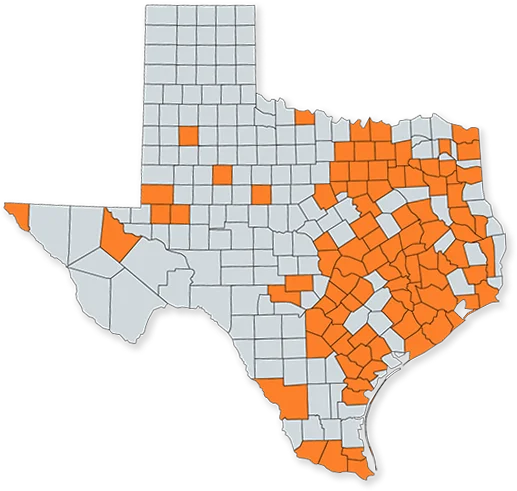
A guardian of the estate must also post a bond and file annual accountings with the court. Our guardianship attorneys work with families across Texas, so wherever the proceeding takes place, our team can help.
Why Texas Families Turn to Ford + Bergner, LLP
For 25 years, we have helped Texas families protect children when parents cannot. Guardianship cases carry real urgency, and you deserve an attorney who explains the process plainly and moves efficiently through the court system. When you work with our firm, you receive:
- Personalized guidance: We review your family’s specific situation before advising on the right approach for your circumstances.
- Court preparation: Our team handles every filing, notice, and supporting document the proceeding requires.
- Plain-language explanations: We walk you through each step so you understand what is happening and why.
- Coordinated planning: If you also need a will naming a guardian, we can prepare that at the same time.
Frequently Asked Questions About Guardianship of a Minor in Texas
Can a Parent Designate a Guardian in Their Will?
Yes. A parent can name a preferred guardian in a valid Texas will. The court is not bound by that designation, but it carries significant weight and gives the named person priority consideration in the proceeding.
How Long Does the Guardianship Last?
A guardianship of a minor generally remains in effect until the child turns 18, is legally emancipated, or passes away. The court retains ongoing oversight for the duration, and a guardian of the estate may be discharged earlier if the child’s assets are exhausted.
Can Guardianship Be Contested?
Yes. A living parent or other interested party can object to a proposed guardianship or to the person seeking appointment. The court will hold a hearing and weigh all evidence before deciding. If you are facing a contested proceeding, having legal representation from the start matters.
Does a Guardian Need Court Approval for Every Decision?
A guardian of the person generally handles day-to-day decisions without returning to court for each one. A guardian of the estate must obtain court approval for many financial transactions and file annual accountings. The level of oversight depends on the type of guardianship and the terms of the court’s order.
Take the Next Step for the Child in Your Care
When a child needs a guardian, preparation and timing matter. Our Texas guardianship attorneys at Ford + Bergner, LLP handle every step of the process and make sure you understand what to expect at each stage. We are here to help your family move forward with confidence.
Call (713) 260-3926 or fill out our online contact form to schedule your appointment with a Texas guardianship lawyer.
Ford + Bergner LLP
Trusted Probate And
Estate Planning Solutions
How Can We Help?
Fields marked with an * are required

Follow Us On
Connect With Us
Connect With Us
© 2026 Ford + Bergner LLP. All Rights Reserved.
